
















Geopolitic Monitor (15 January 2025)
Eldaniz Gusseinov & Sardor Allayarov
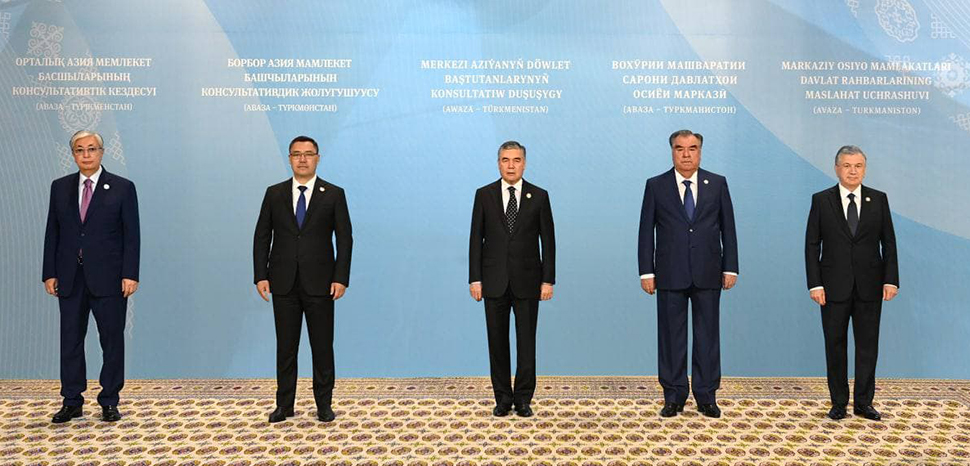
Central Asia has become a key region in light of the Ukraine war. A number of external actors –the United States, Germany, France, Japan, India, Türkiye, among others– have started to engage with the region in various formats to expand their influence. Such evolution intensified competition to win the ‘hearts and minds’ of the Central Asian nations. The main reason for such a development is predicated on the belief that ‘Russia is losing its grip on Central Asia.’ Contrary to this argument, in 2023 various Central Asian nations, excluding Turkmenistan, were designated as ‘Putin’s Pals’ in an article from The Economist, which assessed diplomatic, military, energy, and economic factors. This argument deserves a thorough analysis to assess whether it reflects reality.
Since the outbreak of the war in Ukraine, various analytical portals have published a significant number of materials arguing that Russia’s influence in Central Asia is declining. These narratives highlight that Central Asian leaders did not support Russia in the conflict and have expressed adherence to the sanctions regime.
Analysts suggest that Russia’s full-scale invasion of Ukraine in February 2022 has significantly altered regional geopolitics, impacting Moscow’s standing in Central Asia. It follows that Central Asian nations have maintained a neutral stance on the Ukraine conflict, refraining from supporting Russia’s actions and choosing to comply with Western sanctions. This neutrality is interpreted as a cautious distancing from Moscow’s policies and reflects a decline in trust among Central Asian states. In response to Russia’s preoccupation with Ukraine, these nations are actively seeking stronger relationships with other global powers such as China, Türkiye, and the West. The shift in alliances is perceived to diminish Moscow’s traditional role as the dominant power in the region, leading to a potential realignment of geopolitical influences.
No comments yet.
- BULGARIAN PARLIAMENT APPROVES CENTRE-RIGHT COALITION GOVERNMENT The Balkans 17.01.2025
- EU DEVOURS RUSSIAN GAS AT RECORD SPEED DESPITE CUTOFF Europe - EU 17.01.2025
-
 A SPECTRE IS HAUNTING GERMANY
Europe - EU
17.01.2025
A SPECTRE IS HAUNTING GERMANY
Europe - EU
17.01.2025
- AZERBAIJAN, ARMENIA HOLD 11TH BORDER DELIMITATION SESSION The Caucasus and Turkish-Armenian Relations 17.01.2025
- RUBIO SIGNALS RENEWED FOCUS ON U.S.-CENTRAL ASIA RELATIONS AND TRADE NORMALIZATION Central Asia 17.01.2025
-
25.01.2016
THE ARMENIAN QUESTION - BASIC KNOWLEDGE AND DOCUMENTATION -
12.06.2024
THE TRUTH WILL OUT -
27.03.2023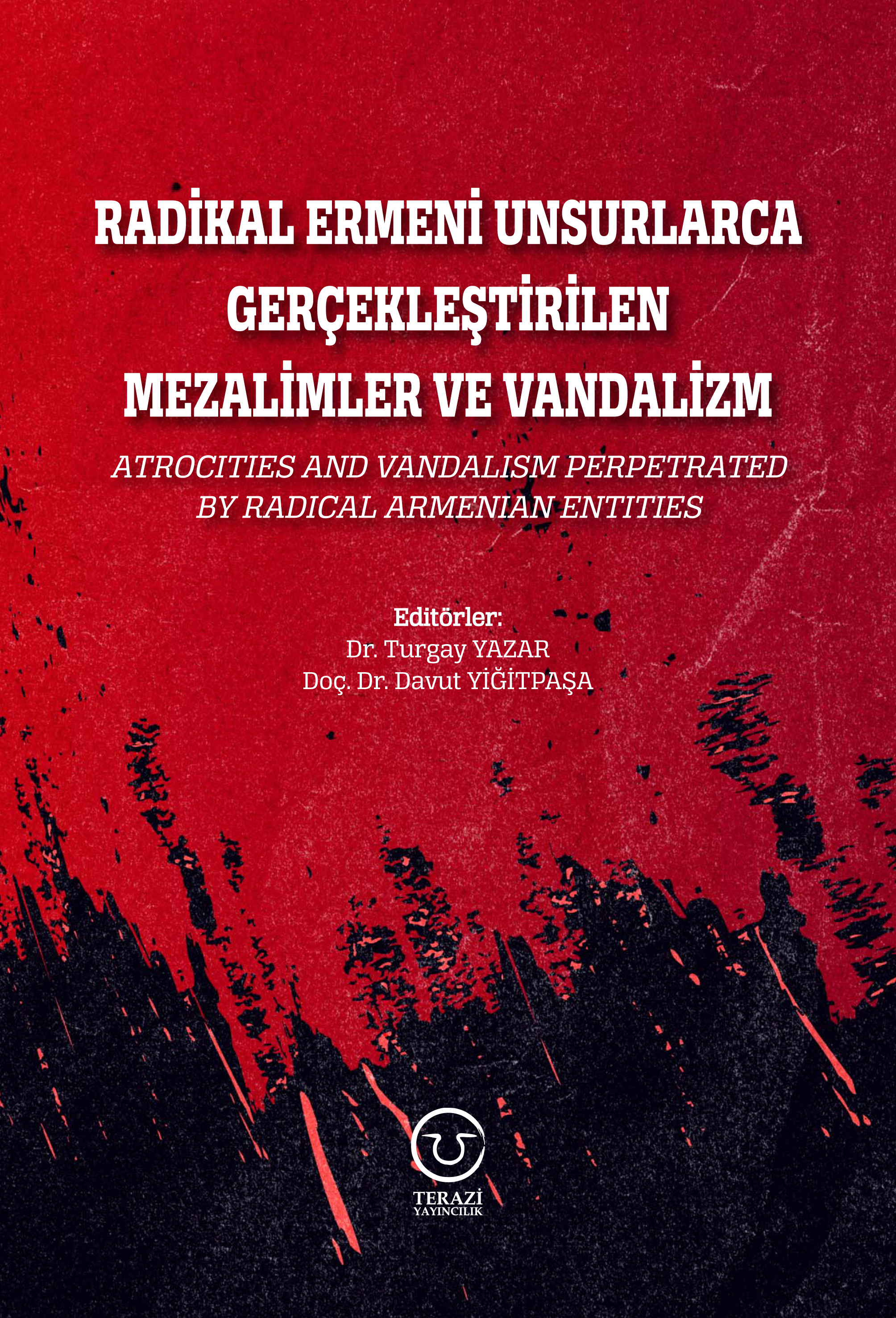
RADİKAL ERMENİ UNSURLARCA GERÇEKLEŞTİRİLEN MEZALİMLER VE VANDALİZM -
17.03.2023
PATRIOTISM PERVERTED -
23.02.2023
MEN ARE LIKE THAT -
03.02.2023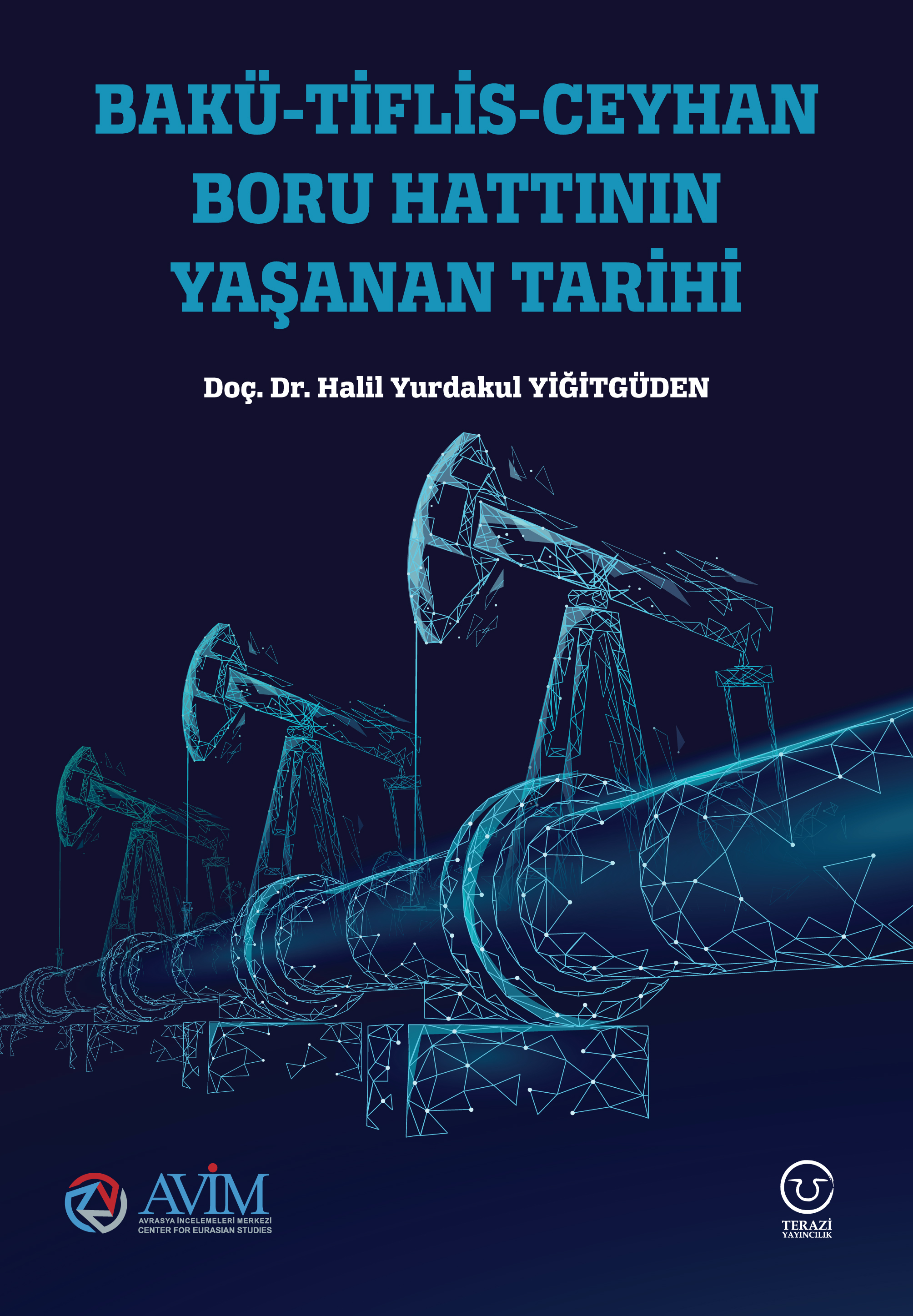
BAKÜ-TİFLİS-CEYHAN BORU HATTININ YAŞANAN TARİHİ -
16.12.2022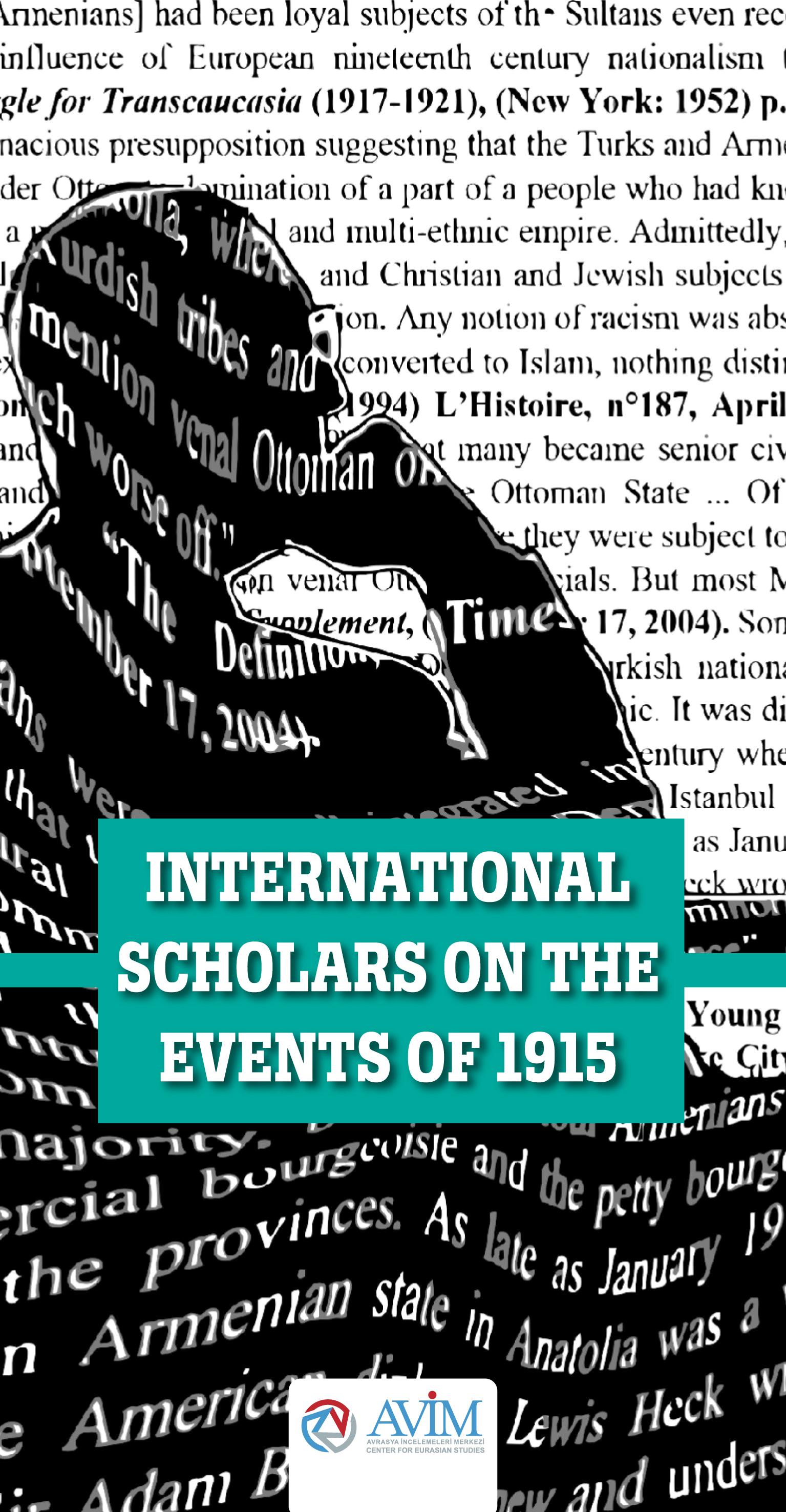
INTERNATIONAL SCHOLARS ON THE EVENTS OF 1915 -
07.12.2022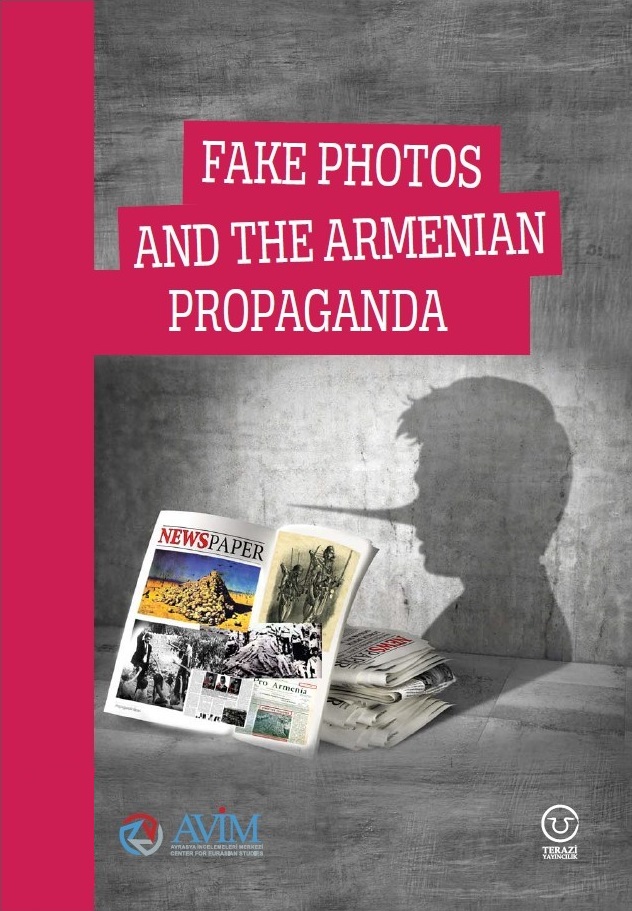
FAKE PHOTOS AND THE ARMENIAN PROPAGANDA -
07.12.2022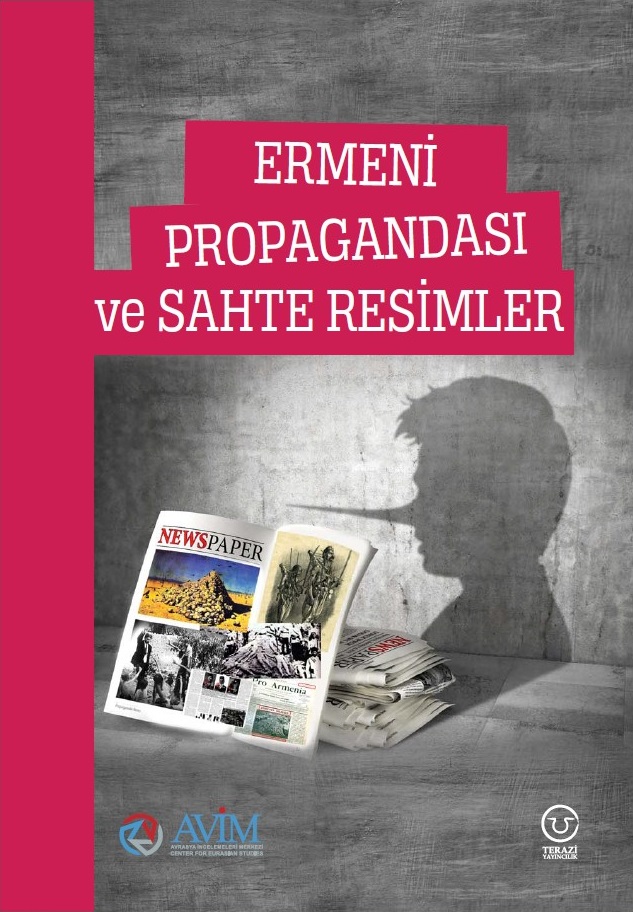
ERMENİ PROPAGANDASI VE SAHTE RESİMLER -
01.01.2022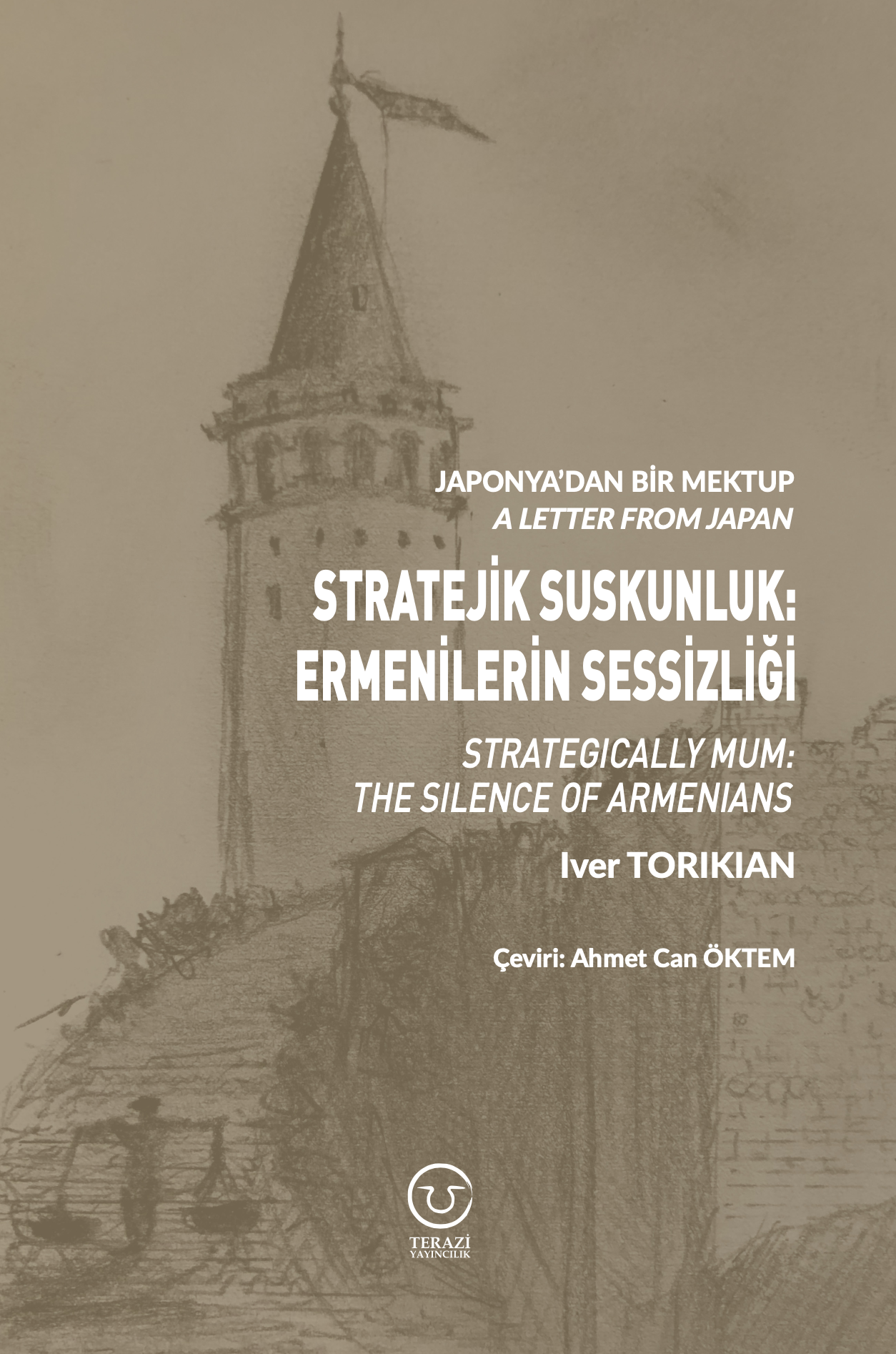
A Letter From Japan - Strategically Mum: The Silence of the Armenians -
01.01.2022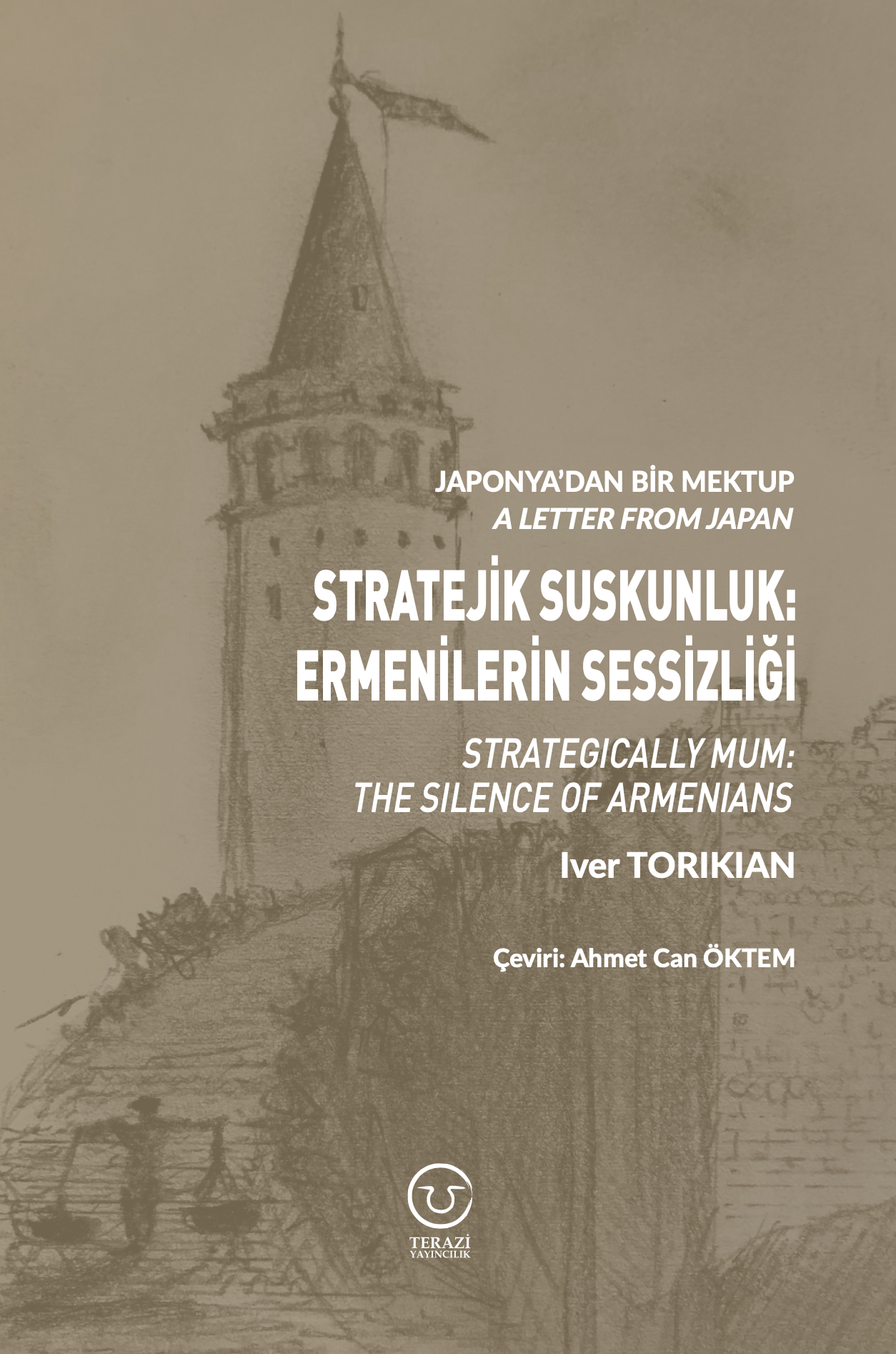
Japonya'dan Bir Mektup - Stratejik Suskunluk: Ermenilerin Sessizliği -
03.06.2020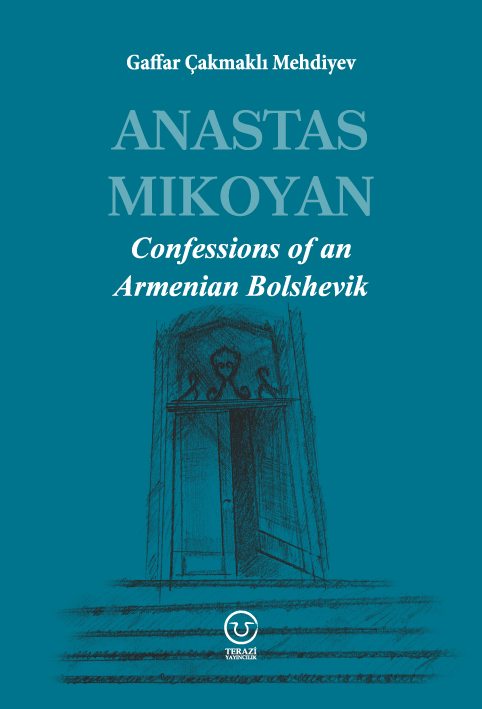
Anastas Mikoyan: Confessions of an Armenian Bolshevik -
08.04.2020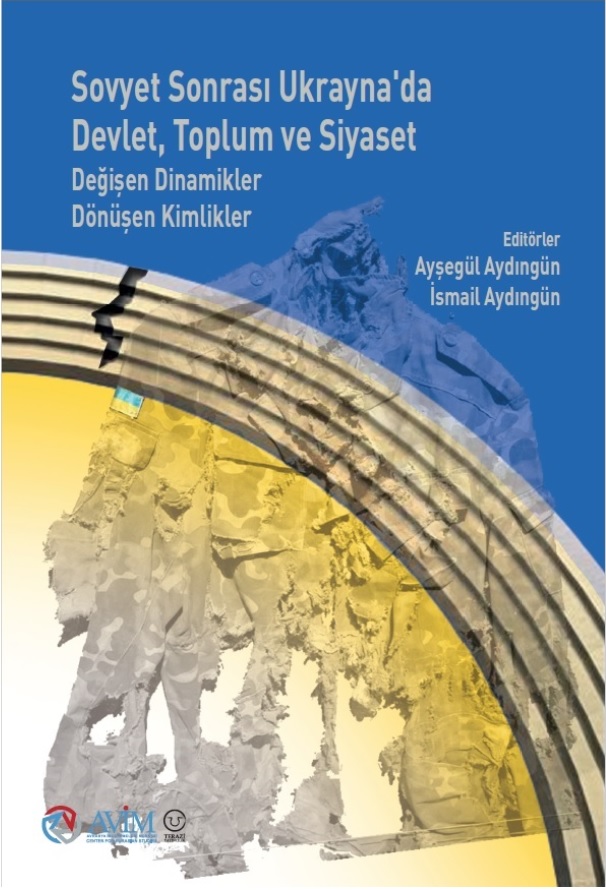
Sovyet Sonrası Ukrayna’da Devlet, Toplum ve Siyaset - Değişen Dinamikler, Dönüşen Kimlikler -
12.06.2018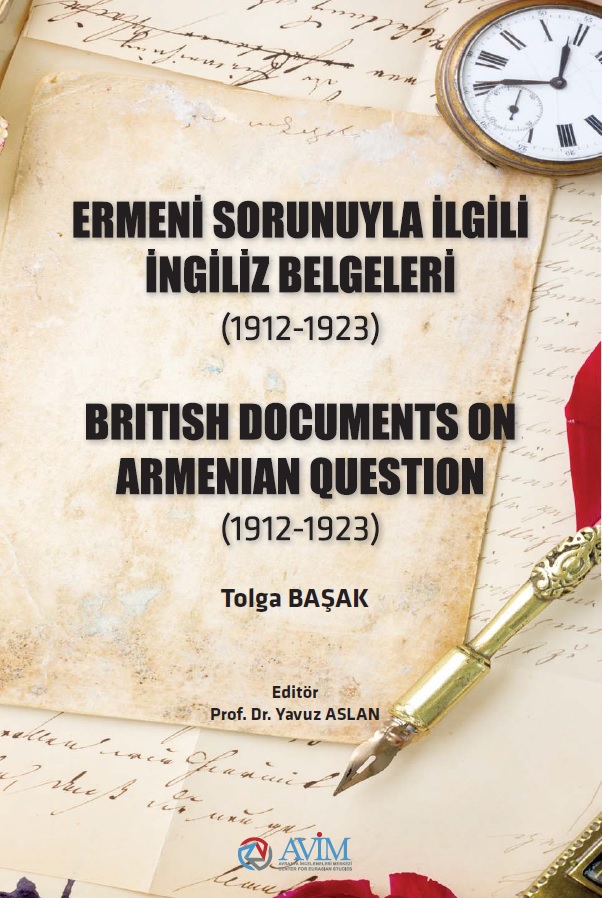
Ermeni Sorunuyla İlgili İngiliz Belgeleri (1912-1923) - British Documents on Armenian Question (1912-1923) -
02.12.2016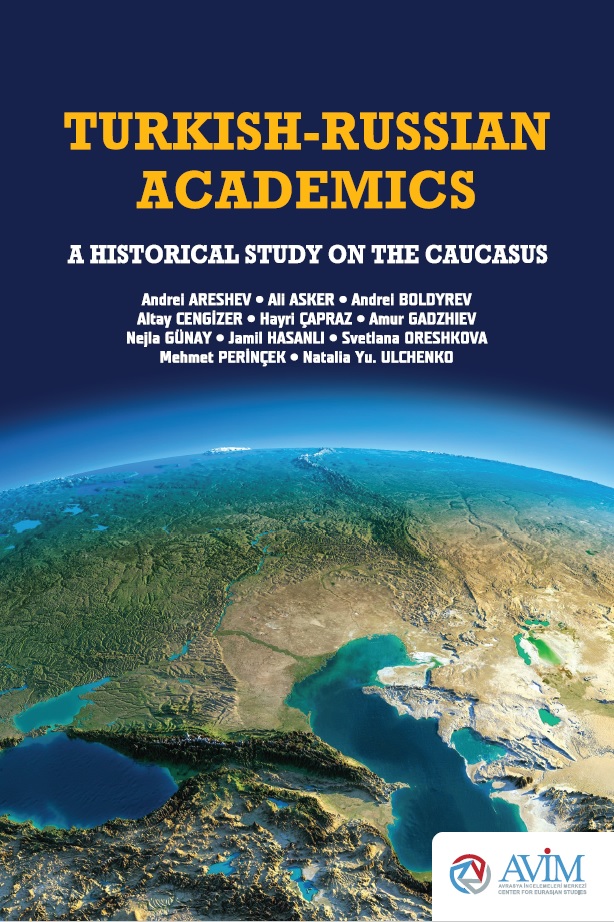
Turkish-Russian Academics: A Historical Study on the Caucasus -
01.07.2016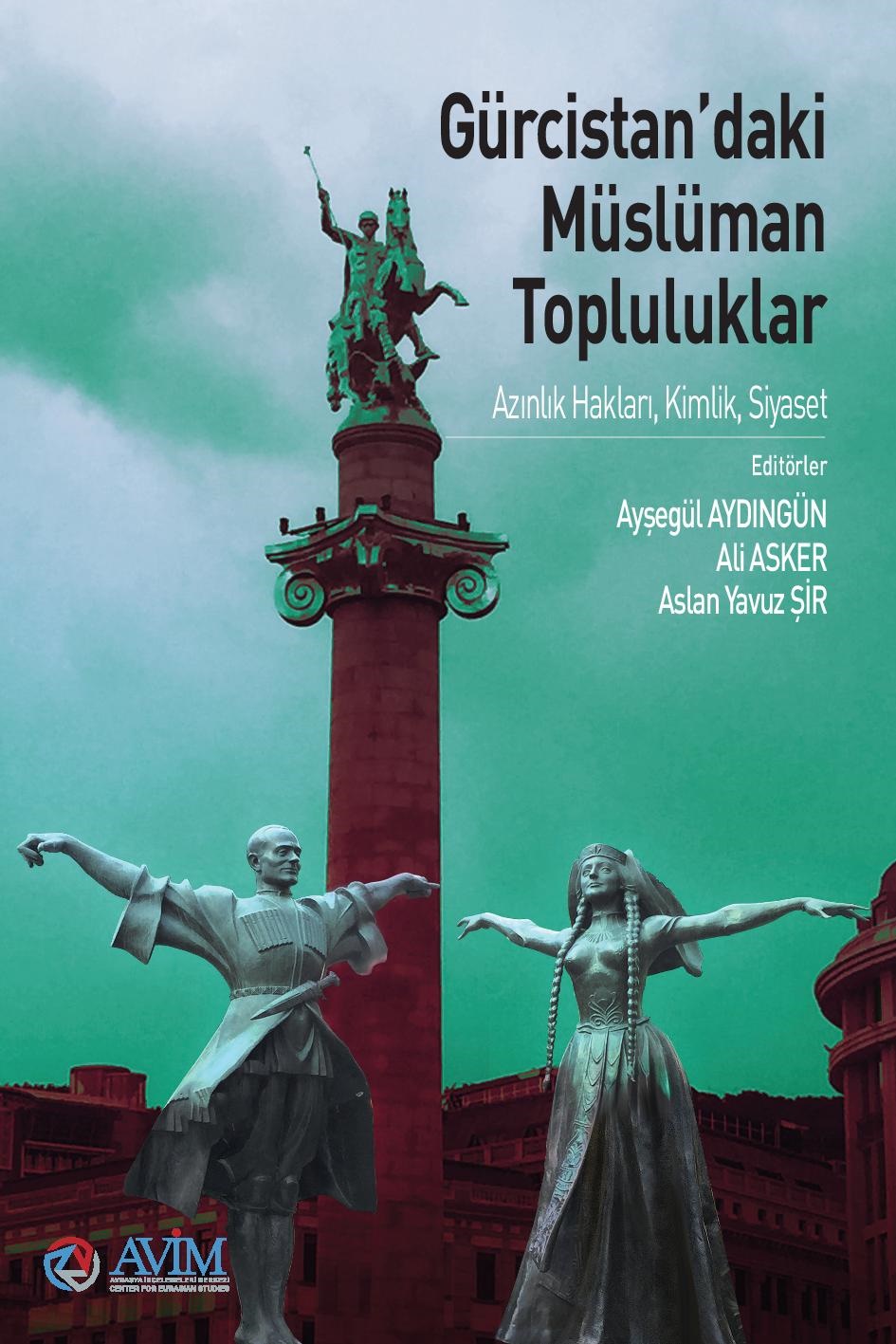
Gürcistan'daki Müslüman Topluluklar: Azınlık Hakları, Kimlik, Siyaset -
10.03.2016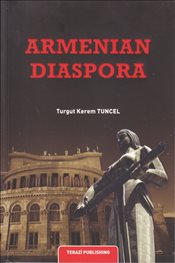
Armenian Diaspora: Diaspora, State and the Imagination of the Republic of Armenia -
24.01.2016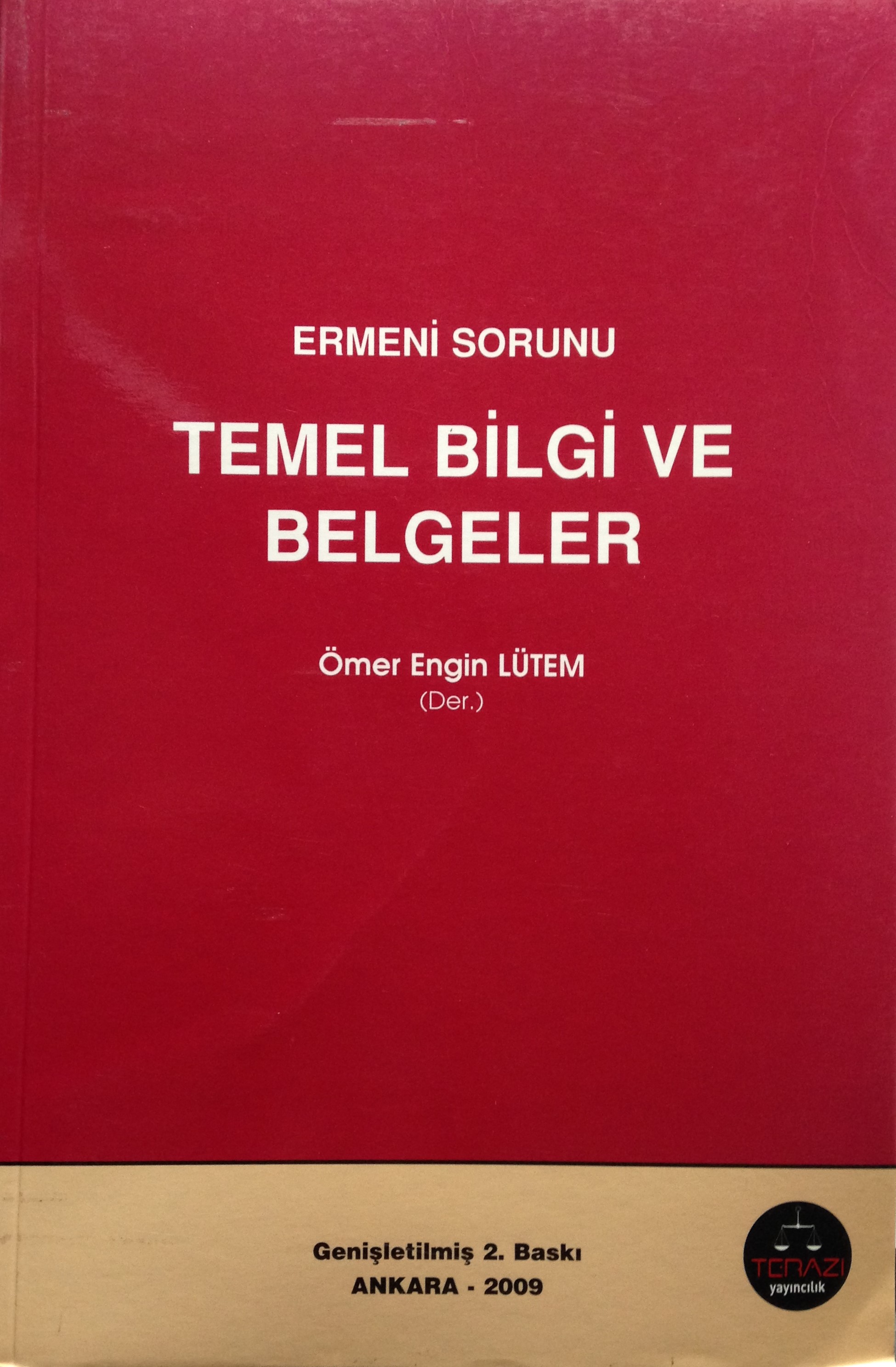
ERMENİ SORUNU - TEMEL BİLGİ VE BELGELER (2. BASKI)
-
AVİM Conference Hall 24.01.2023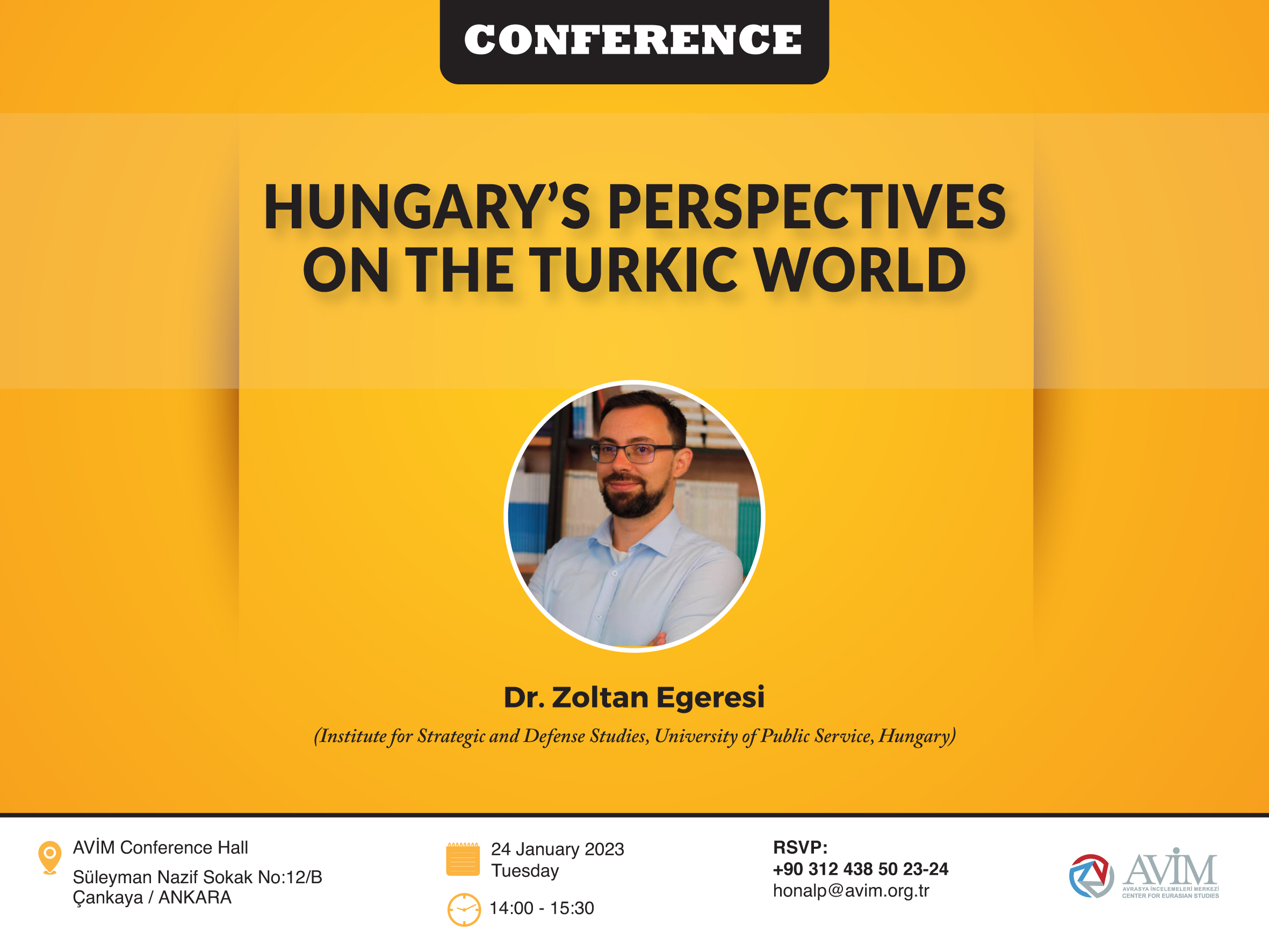
CONFERENCE TITLED “HUNGARY’S PERSPECTIVES ON THE TURKIC WORLD"