
















EurActiv (31 May 2018)
European Union legislators have outlined a compromise deal on the bloc’s renewable energy policy for the coming decade, agreeing on a headline objective of 30-33% for 2030, sources said.
The EU’s 2030 renewable energy policy is slowly taking shape after crunch talks wrapped up in Strasbourg on Thursday (31 May), with a final headline objective likely to land in the range of 30-33%, EURACTIV has learned.
Negotiators from the three EU law-making institutions – the European Commission, Parliament and Council – have agreed the outlines of the bloc’s Renewable Energy Directive, part of a wider clean energy package of legislation, which aims to slash the bloc’s emissions by 40% by the end of the next decade.
The European Parliament voted in January in favour of raising the share of renewable energy to 35% of the EU’s energy mix by 2030, setting the stage for tense talks with reluctant EU member states, which agreed a target of 27% in December.
Bulgaria, which holds the EU’s six-month rotating presidency, chaired the talks and represented the 28 EU member states in the meeting, which took place behind closed doors in Strasbourg, where the European Parliament is holding its monthly plenary sitting.
“Things accelerated during the last hour” before midday, according to a Parliament source close to the negotiations. José Blanco Lopez, the Spanish socialist MEP who leads the Parliament delegation, called a 30-minute pause as the meeting was entering its final hour.
The European Commission left in a separate room to hammer out a compromise proposal with the Bulgarian Presidency, which came back with two options:
A 30-31% target for renewables by 2030, which is well below the Parliament’s call for a 35% objective. In exchange, MEPs would see most of their other demands met – such as the promotion on renewable energy “self-consumption” and the establishment of a legally-binding sub-target for renewables in the heating and cooling sector (Parliament wants a 2% yearly increase to be made legally-binding on EU member states, up from the 1% indicative target proposed by the Commission).
A higher 32-33% target for renewables by 2030, in exchange for which the Parliament would have to make concessions on other demands listed above.
Members of the European Parliament expressed interest in the second option, the source explained, arguing the headline target in the first option was too low compared to MEPs request for a 35% objective.
“It’s the first time that they come up with a 32-33% figure on the table,” the source said, expressing optimism about the chances of concluding negotiations on the directive during a final round of “trilogue” talks scheduled for 13 June.
“This triggers a dynamic,” the source continued, saying it’s now up to political group leaders in Parliament to sit down and decide what concessions they are willing to make in exchange for the higher headline target.
Trilogue time for EU clean energy laws
EU negotiators will hope that this week is the breakthrough everyone has been waiting for in two crucial energy files on renewable energy and energy efficiency. Follow our liveblog for the latest developments, as well as to catch up on what has happened so far.
Greenpeace: “A rotten sandwich”
However, the source also warned that reaching a compromise with the Council will also require painful compromises from Parliament. This includes accepting the Council’s request for a 14% objective for renewables in transport, an objective that was endorsed by the 28 energy ministers at the December Energy Council.
Sebastian Mang, climate and energy policy adviser at Greenpeace, said: “The Council’s proposal is like selling rotten sandwiches; you can either have stale bread or just the mouldy filling. We need the right goals and accelerated action to protect people and the planet from devastating climate change.
“The fact that our governments are proposing to keep one and ditch the other is a devious effort to escape their responsibility to act,” Mang said.
No comments yet.
- ITALIAN NEWSAGENT HAS A MESSAGE FOR EUROPE Europe - EU 01.06.2018
- VANUATU AND BULGARIA TO ESTABLISH DIPLOMATIC LINKS The Balkans 01.06.2018
-
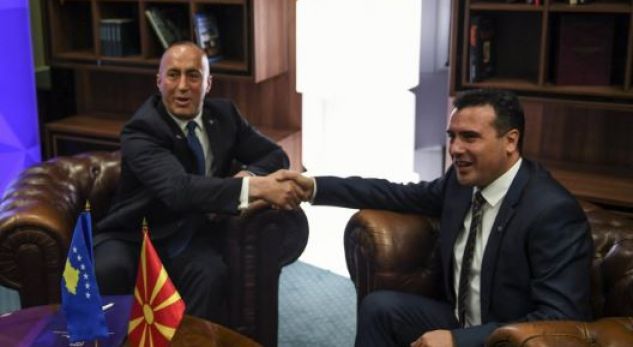 GAZETA EXPRESS: KOSOVO AND MACEDONIA EXPECTED TO SIGN 15 AGREEMENTS
The Balkans
01.06.2018
GAZETA EXPRESS: KOSOVO AND MACEDONIA EXPECTED TO SIGN 15 AGREEMENTS
The Balkans
01.06.2018
- COMMISSION DEFENDS COHESION-EUROPEAN SEMESTER LINK, WITH SUSPENDED PAYMENTS OPTION Europe - EU 01.06.2018
- PRESIDENT ILHAM ALIYEV RECEIVED EUROPEAN COMMISSION DELEGATION The Caucasus and Turkish-Armenian Relations 01.06.2018
-
25.01.2016
THE ARMENIAN QUESTION - BASIC KNOWLEDGE AND DOCUMENTATION -
12.06.2024
THE TRUTH WILL OUT -
27.03.2023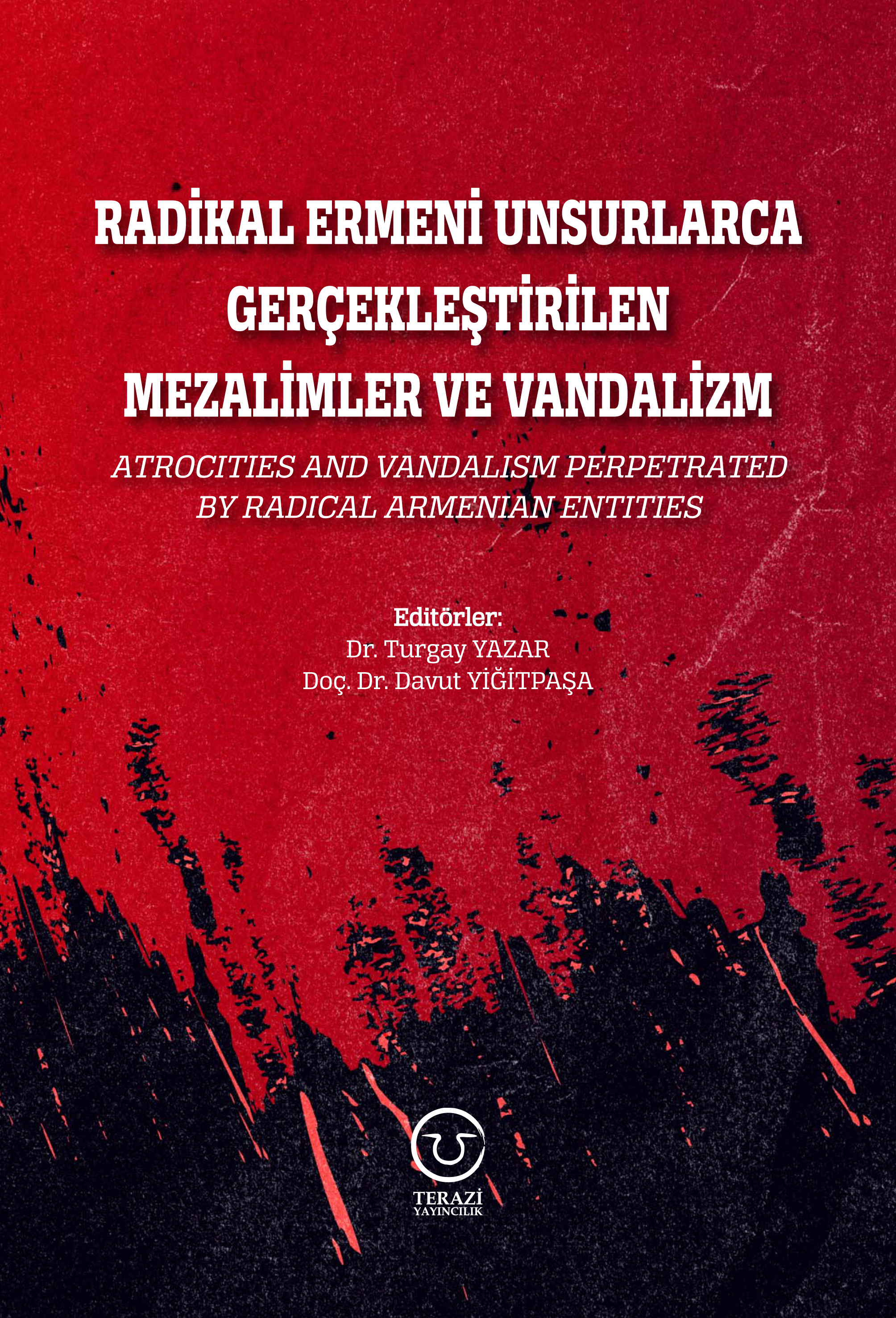
RADİKAL ERMENİ UNSURLARCA GERÇEKLEŞTİRİLEN MEZALİMLER VE VANDALİZM -
17.03.2023
PATRIOTISM PERVERTED -
23.02.2023
MEN ARE LIKE THAT -
03.02.2023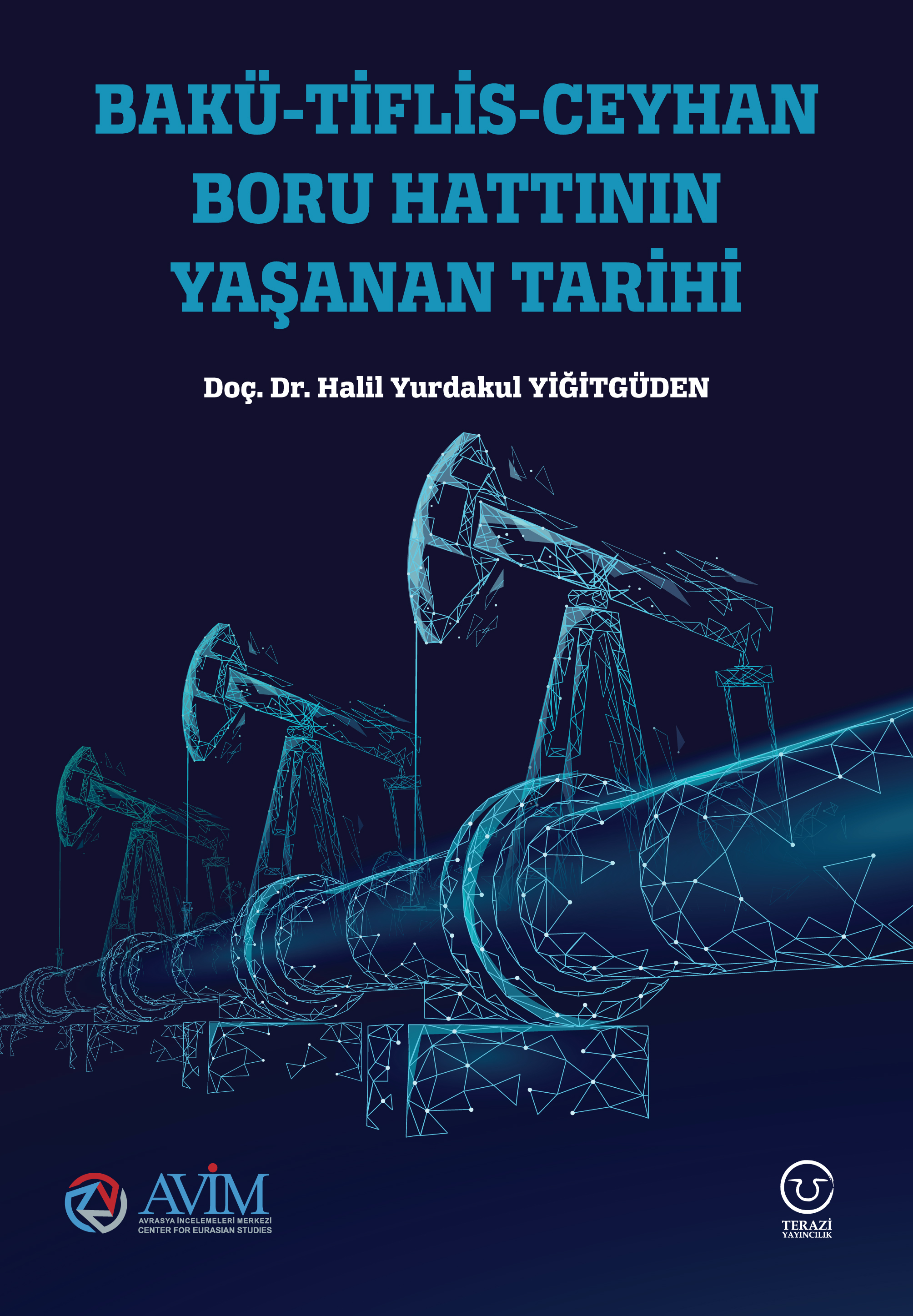
BAKÜ-TİFLİS-CEYHAN BORU HATTININ YAŞANAN TARİHİ -
16.12.2022
INTERNATIONAL SCHOLARS ON THE EVENTS OF 1915 -
07.12.2022
FAKE PHOTOS AND THE ARMENIAN PROPAGANDA -
07.12.2022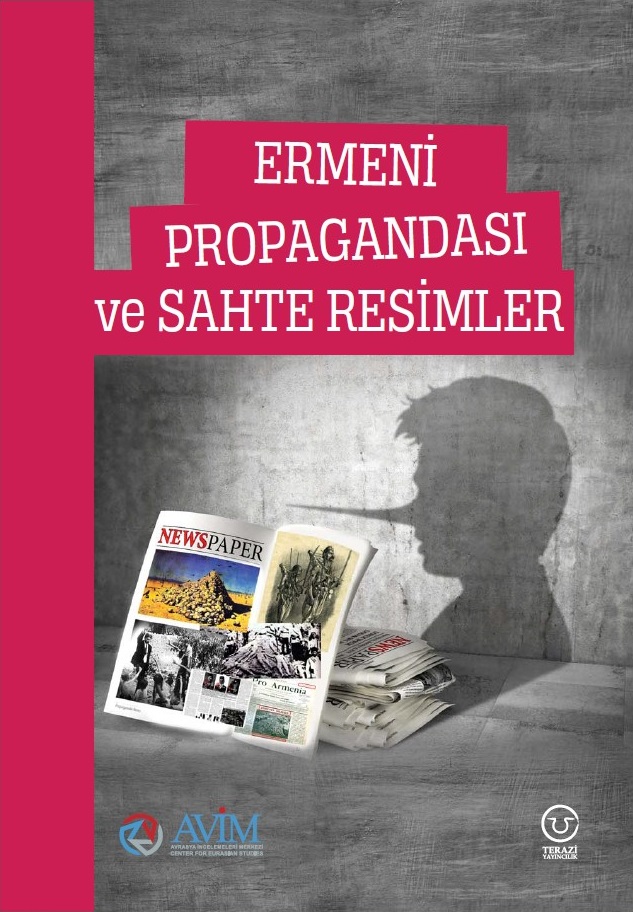
ERMENİ PROPAGANDASI VE SAHTE RESİMLER -
01.01.2022
A Letter From Japan - Strategically Mum: The Silence of the Armenians -
01.01.2022
Japonya'dan Bir Mektup - Stratejik Suskunluk: Ermenilerin Sessizliği -
03.06.2020
Anastas Mikoyan: Confessions of an Armenian Bolshevik -
08.04.2020
Sovyet Sonrası Ukrayna’da Devlet, Toplum ve Siyaset - Değişen Dinamikler, Dönüşen Kimlikler -
12.06.2018
Ermeni Sorunuyla İlgili İngiliz Belgeleri (1912-1923) - British Documents on Armenian Question (1912-1923) -
02.12.2016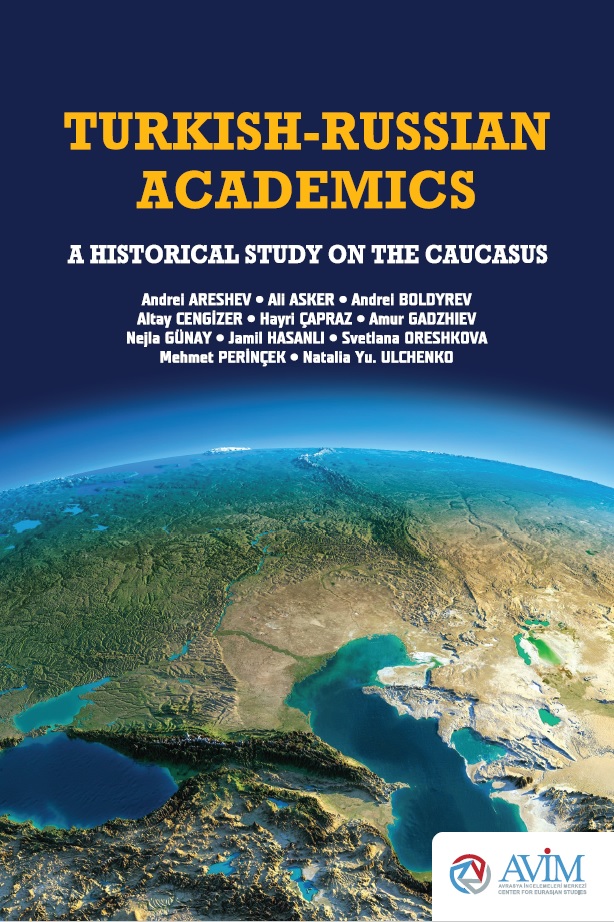
Turkish-Russian Academics: A Historical Study on the Caucasus -
01.07.2016
Gürcistan'daki Müslüman Topluluklar: Azınlık Hakları, Kimlik, Siyaset -
10.03.2016
Armenian Diaspora: Diaspora, State and the Imagination of the Republic of Armenia -
24.01.2016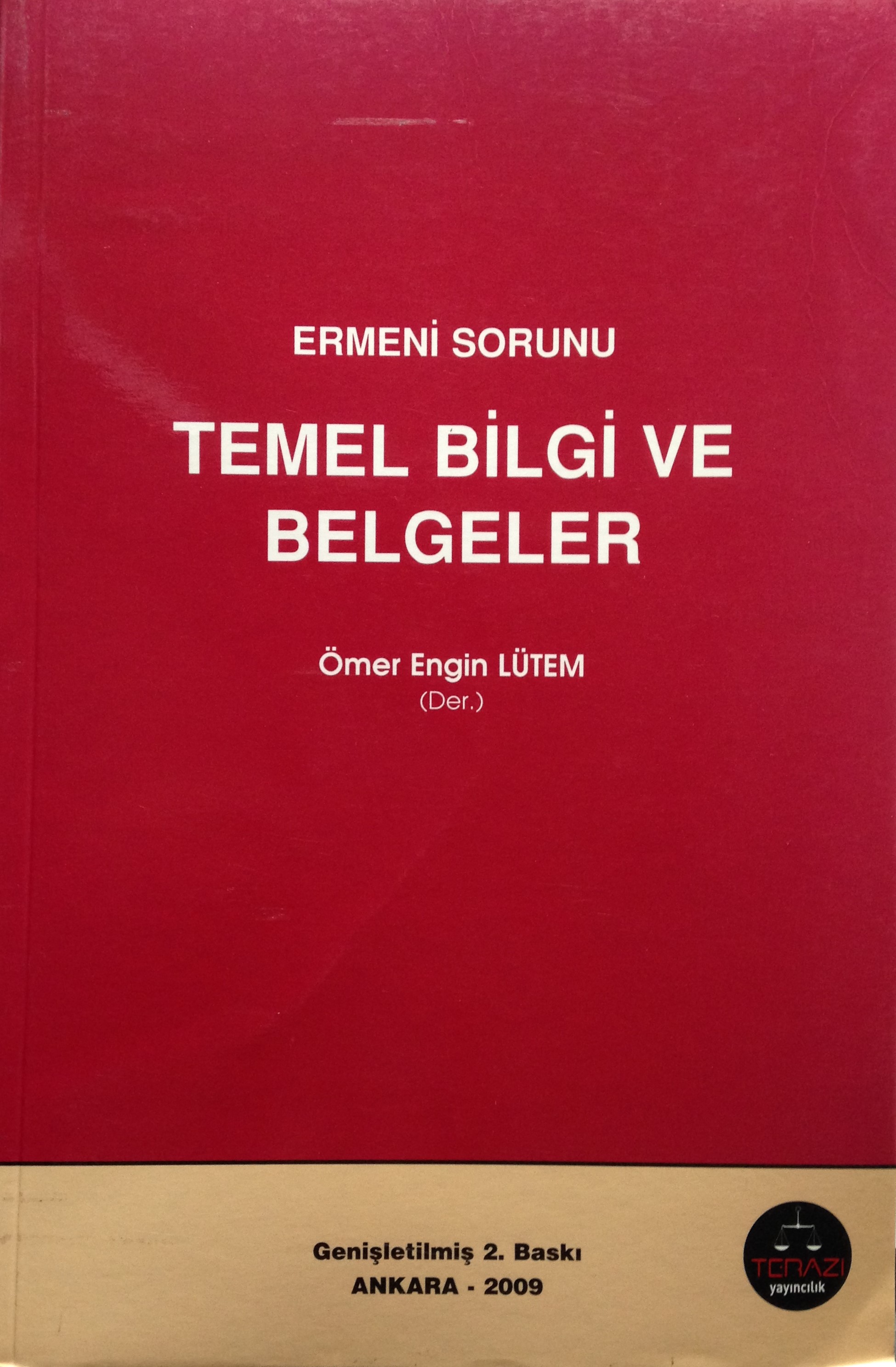
ERMENİ SORUNU - TEMEL BİLGİ VE BELGELER (2. BASKI)
-
AVİM Conference Hall 24.01.2023
CONFERENCE TITLED “HUNGARY’S PERSPECTIVES ON THE TURKIC WORLD"