
















EU Observer (30 May 2018)
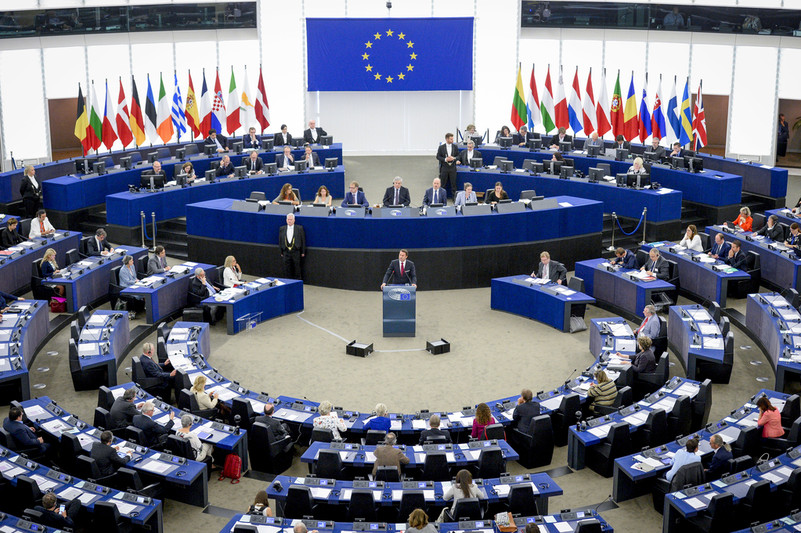
This week the European Parliament held yet another Future of Europe debate. This time with the possibly soon to be departing Luxembourg prime minister.
What started out as an opportunity for European leaders to set out their vision for the future of Europe, and engage in a meaningful debate with the parliament in the wake of the departure of the UK and an ever increasing crisis in confidence from the public, has instead become a repetitive series of monologues calling for more Europe, accompanied by a not so healthy amount of patting oneself on the back for how well the EU is doing.
As the European Parliament declared on social media this week, the EU has never been more popular. It therefore, begs the question, is anyone listening to what the voters are trying to tell Brussels in a wave of shock national election results and a stream of unlikely coalition bedfellows.
Faux excitement
Of course, some of the Future of Europe debates have been much needed and long overdue. There is no denying that citizens and leaders have been waiting more than a year for French president Emmanuel Macron to set out his vision for Europe.
Despite not agreeing with everything he proposed, it was important to hear what he had to say. But as is too often the case with Brussels, its obsession with fixed structures and the need to do something for the sake of it, has led to the debates running out of steam, whilst also showing that the so called 'political mainstream' has run out of ideas.
Rather than have such a debate as and when needed, it has sought to hold debates simply so that everyone could have a turn. As a consequence we have repeated the same, often vague debates and platitudes over and over again.
Perhaps we could spare the faux excitement and the air fare for the next leader, and conclude that next month's act will be calling for more Europe, more Brussels, a bigger budget. Throw in a sprinkling of how the EU's inter-rail pass will be the saviour of the EU, and a dash of how we must have EU wide taxation, and we have a recipe for another serving of denial.
Of course, debating the future of the EU is important, but I cannot imagine what the public must think, if they even bother to watch. Quite frankly, it is embarrassing.
What are the needs of the public?
We are less than 12 months away from the public going to the polls, and Brussels has yet to offer the voters an honest and very necessary appraisal of the EU, warts and all. It is time to start admitting where mistakes have been made, show that Brussels has learned its lessons, and show that it is capable of taking a different path forward.
But I fear that for far too many politicians sitting in the parliament's chamber, constructive criticism is the ultimate sin. There is a fundamental lack of understanding that to critique the EU, is not to destroy it, but to seize the last real opportunity to save it.
The parliament and the European Commission should be the respectful servants of the people of Europe. Politicians have one simple task, to ask ourselves, what are the needs of the public? Not to pursue the dogmatic principles of our own fixed political ideology.
Brussels has lost sight of the fact that it is there to serve not to dominate, and that the largest part of leading, is listening.
However, European Commission president Jean-Claude Juncker and a number of group leaders have placed themselves in the role of overbearing maître d', where the customer couldn't possibly be right, regardless of how many times they tell the proprietors they don't like what they are serving.
The problem has become that for anyone offering an honest appraisal and a suggestion to do things differently is automatically labelled as eurosceptic.
It has become a quick and effective way of dismissing what a person has to say. It is an intellectual and ideological snobbery which shows nothing but contempt to the voters who put us here in the first place.
Let's have a real discussion
If a politician were to critique a policy, or the government of the day in its national parliament, would they be labelled as being national-sceptic?
Would they be accused of trying to bring down the country, of being small minded, and not understanding the needs of the people? Of course not.
The role of a parliament and different political parties is to scrutinise, to hold to account, and to question. The people that have voted for me, voted for me to stand up and have their voice be heard and no matter how much other political groups want to shout down what I have to say, I will make sure that their voice is heard. That is how democracy works.
So, by all means, EU leaders are welcome to present their vision for the future, but let's have a real and honest discussion, where we at least attempt to listen to one another.
But another 'debate' which calls for more and more Europe as the cure to all ails, followed by another round of self-congratulations, will just be another boost for voter apathy and a low turnout at the next election; and most worryingly of all, perhaps another step towards a future that cannot be salvaged.
Jan Zahradil is a Czech MEP, from the European Conservatives and Reformists group
No comments yet.
-
IS THIS THE FUTURE OF EUROPE?
Europe - EU
01.06.2018
- EUROPE NEEDS BALKANS AND BALKANS NEED EUROPE, SAYS ALBANIA PM The Balkans 01.06.2018
-
 GAZETA EXPRESS: KOSOVO AND MACEDONIA EXPECTED TO SIGN 15 AGREEMENTS
The Balkans
01.06.2018
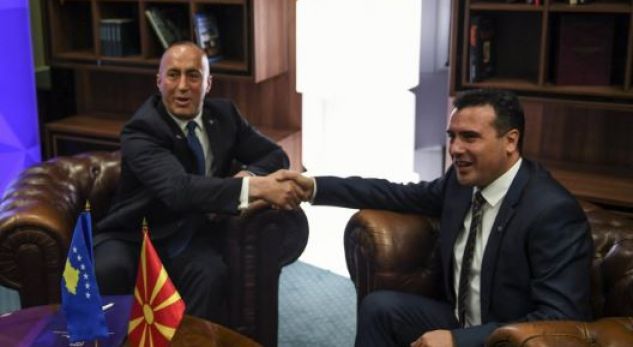
GAZETA EXPRESS: KOSOVO AND MACEDONIA EXPECTED TO SIGN 15 AGREEMENTS
The Balkans
01.06.2018
- ARMENIA TO RECEIVE 176 MILLION EURO ASSISTANCE FROM EUROPEAN UNION FOR 2017-2020 The Caucasus and Turkish-Armenian Relations 01.06.2018
-
 GEORGIAN, ARMENIAN FOREIGN MINISTERS MEET IN TBILISI
The Caucasus and Turkish-Armenian Relations
01.06.2018
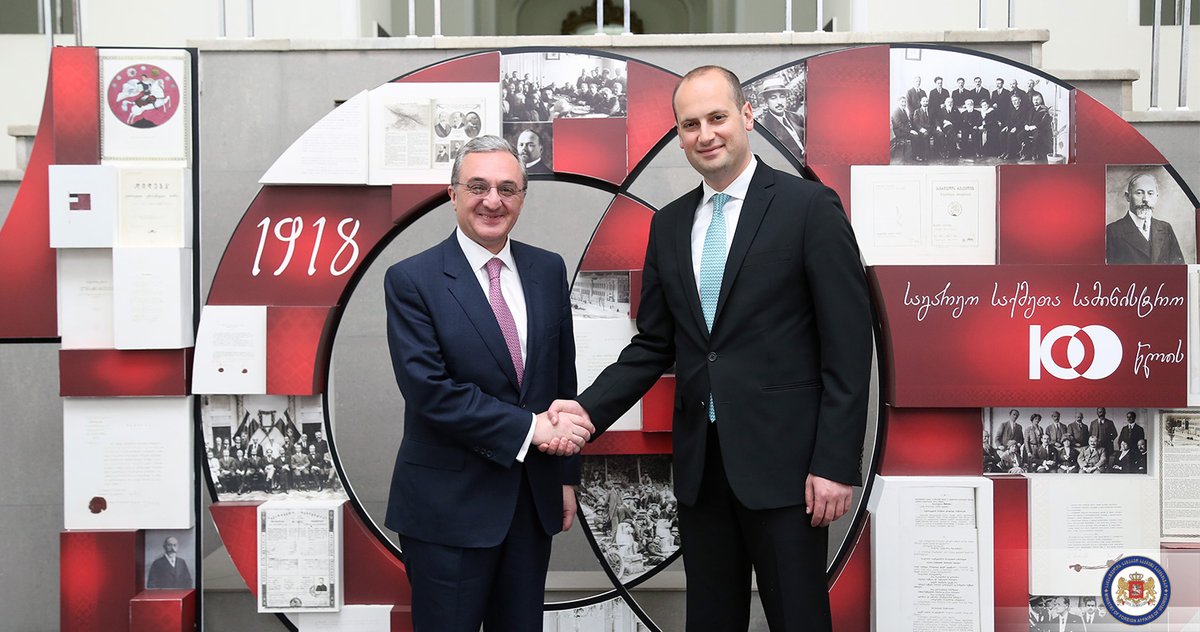
GEORGIAN, ARMENIAN FOREIGN MINISTERS MEET IN TBILISI
The Caucasus and Turkish-Armenian Relations
01.06.2018
-
25.01.2016
THE ARMENIAN QUESTION - BASIC KNOWLEDGE AND DOCUMENTATION -
12.06.2024
THE TRUTH WILL OUT -
27.03.2023
RADİKAL ERMENİ UNSURLARCA GERÇEKLEŞTİRİLEN MEZALİMLER VE VANDALİZM -
17.03.2023
PATRIOTISM PERVERTED -
23.02.2023
MEN ARE LIKE THAT -
03.02.2023
BAKÜ-TİFLİS-CEYHAN BORU HATTININ YAŞANAN TARİHİ -
16.12.2022
INTERNATIONAL SCHOLARS ON THE EVENTS OF 1915 -
07.12.2022
FAKE PHOTOS AND THE ARMENIAN PROPAGANDA -
07.12.2022
ERMENİ PROPAGANDASI VE SAHTE RESİMLER -
01.01.2022
A Letter From Japan - Strategically Mum: The Silence of the Armenians -
01.01.2022
Japonya'dan Bir Mektup - Stratejik Suskunluk: Ermenilerin Sessizliği -
03.06.2020
Anastas Mikoyan: Confessions of an Armenian Bolshevik -
08.04.2020
Sovyet Sonrası Ukrayna’da Devlet, Toplum ve Siyaset - Değişen Dinamikler, Dönüşen Kimlikler -
12.06.2018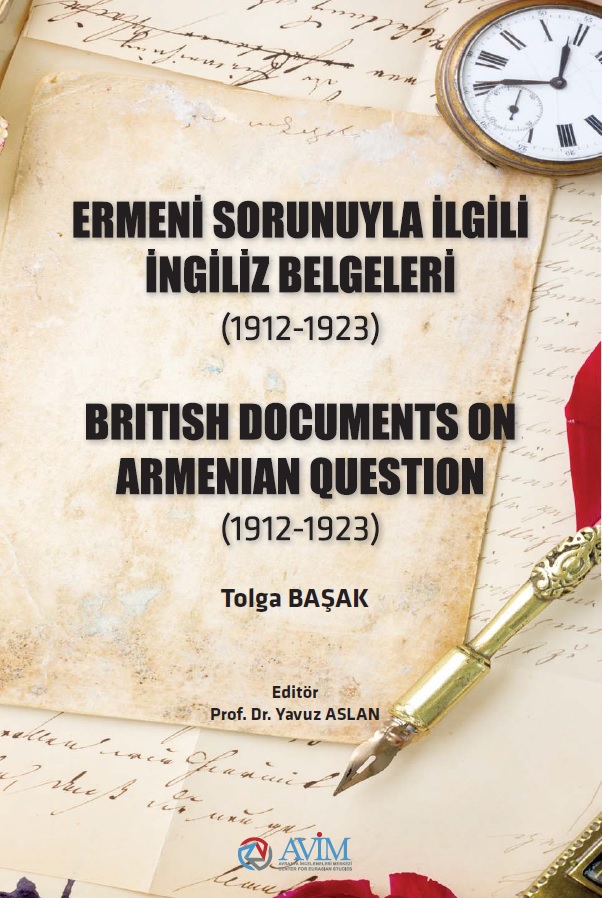
Ermeni Sorunuyla İlgili İngiliz Belgeleri (1912-1923) - British Documents on Armenian Question (1912-1923) -
02.12.2016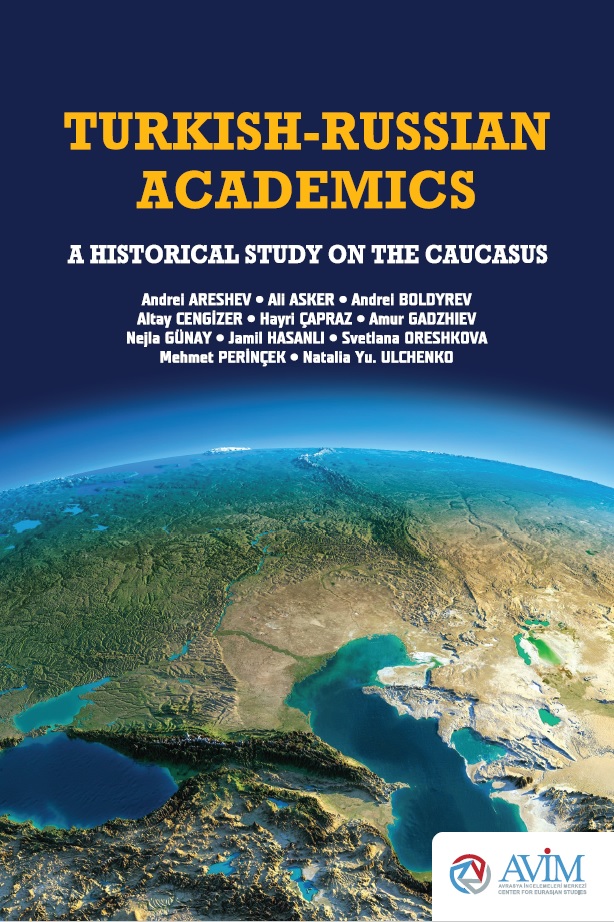
Turkish-Russian Academics: A Historical Study on the Caucasus -
01.07.2016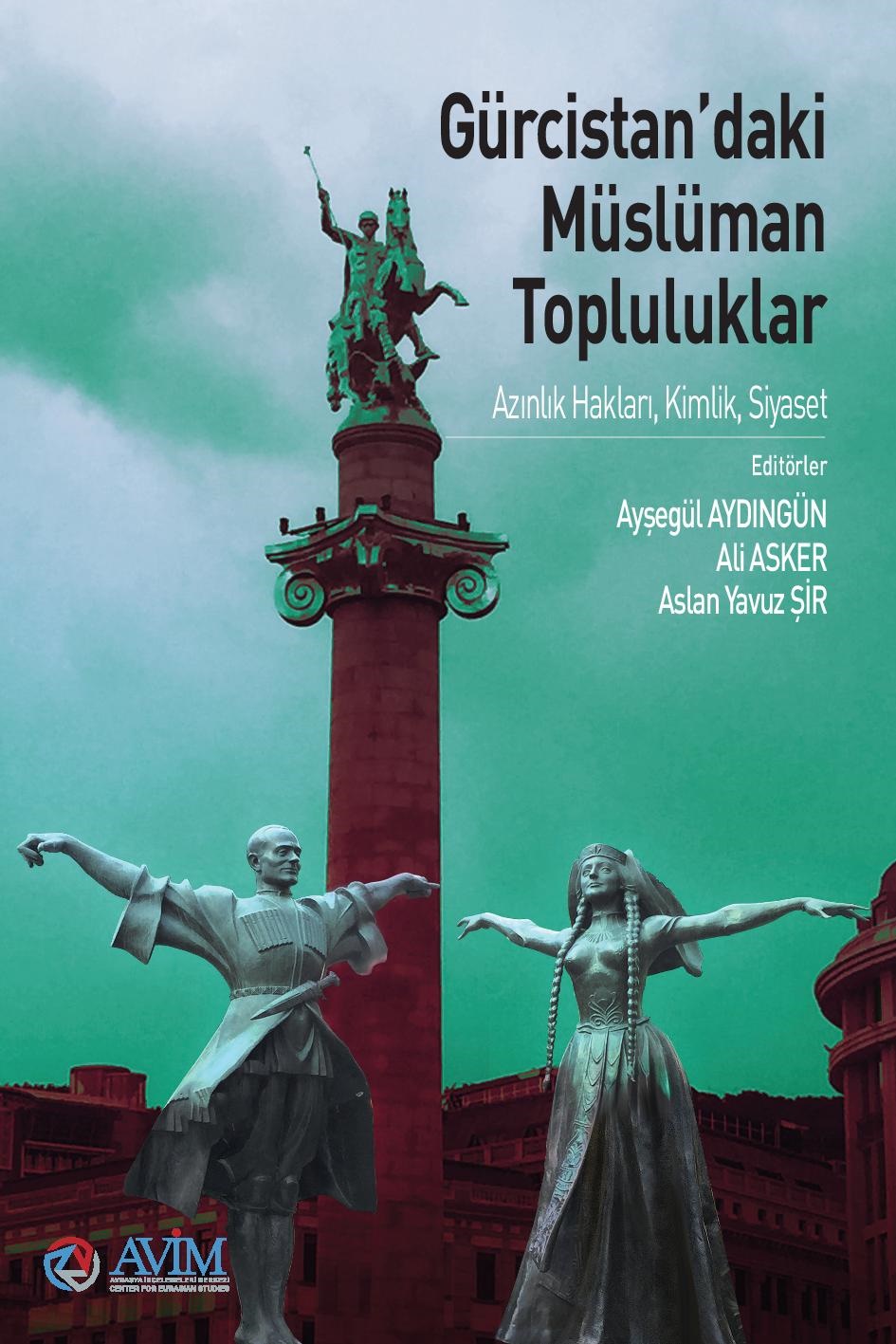
Gürcistan'daki Müslüman Topluluklar: Azınlık Hakları, Kimlik, Siyaset -
10.03.2016
Armenian Diaspora: Diaspora, State and the Imagination of the Republic of Armenia -
24.01.2016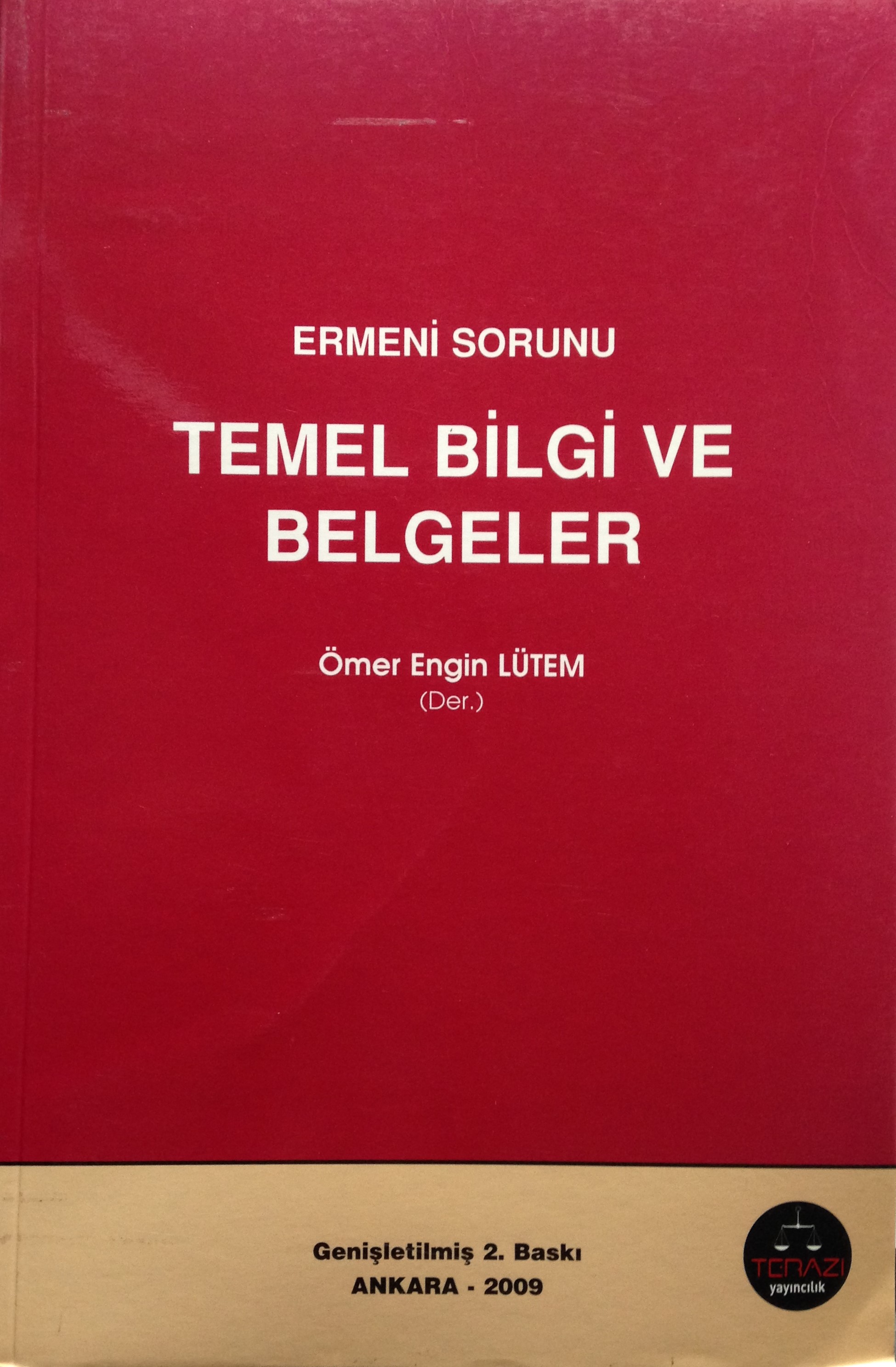
ERMENİ SORUNU - TEMEL BİLGİ VE BELGELER (2. BASKI)
-
AVİM Conference Hall 24.01.2023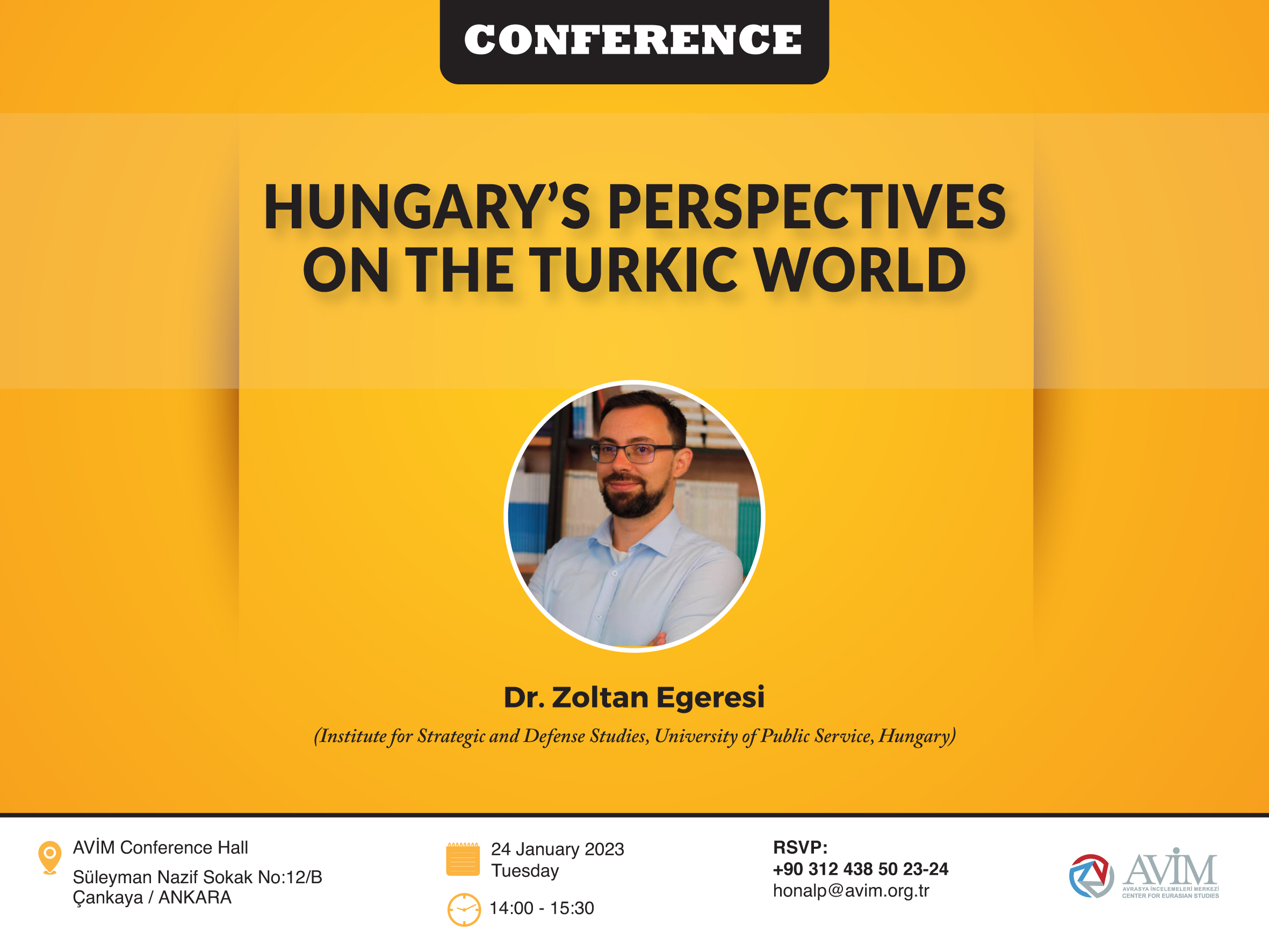
CONFERENCE TITLED “HUNGARY’S PERSPECTIVES ON THE TURKIC WORLD"