

















Deutsche Welle (19 January 2018)
Donald Trump's election as US president has been called "a nail in the coffin of the liberal world order." What can German Chancellor Angela Merkel do to make sure that coffin isn't buried?
"The times in which we could completely depend on others are, to a certain extent, over," admitted a disappointed Angela Merkel at the G7 summit in Italy last May. At the time, it was clear that United States President Donald Trump had made up his mind to pull out of the Paris climate accord. One year after Trump took office, Germany's chancellor must feel even more abandoned still.
In the past, US-German relations were consistently close; now, one is just hoping that better days will return. Political scientist Josef Braml of the German Council on Foreign Relations says those hopes are in vain. "Trump doesn't think the liberal world order serves America's interests, rather, it simply helps 'copycats' like Germany and China," he said. Therefore, the US president has one simple aim: "to destroy that order."
That, of course, has negative consequences for trans-Atlantic relations. "Everything is a zero-sum game with Trump," said Braml. "The US has to win, and everyone else has to lose."
A look back at Trump's first year in office
Punitive import tariffs on German products exported to the US are a clear example of how the game is played. But Merkel's poignant statement at the conclusion of the G7 summit actually came a bit late as far as Braml sees it.
"The US was too weak to prop up the liberal world order well before Donald Trump came along," he said.
NATO as a sticking point
Andrew Denison, director of the think tank Transatlantic Networks, believes that the current diplomatic difficulty is "not a crisis, it's a challenge." He said that the US and Europe still can and must work together, which is something that Washington ultimately wants.
"The US doesn't want to see Europe at risk to Russia," Dension said. "At the same time, the US wants Europe to help with China and the Middle East."
Denison said he can also understand why Trump has called on European partners to invest more in NATO by demanding they dedicate 2 percent of their GDP to the Alliance.
Trump has called on NATO members to spend 2 percent of GDP on defense
"Americans are of the opinion that Europe is taking advantage of them when it comes to security," he said, adding Washington will continue to be involved in NATO but wants to see "more burden sharing."
Beyond the bluster, the US has increased the number of its soldiers stationed in Poland.
A new strategy for dealing with the US?
In light of those fundamental shifts in trans-Atlantic relations, German Foreign Minister Sigmar Gabriel has said it is time for his country to change its policy toward the US. Germany, he said, must more confidently defend its interests — as with the Iran nuclear deal — and draw red lines when necessary.
Anna Kuchenbecker of the Aspen Institute Germany supports those sentiments, especially considering the ongoing conflicts of interest. "While the US wants to retreat from its global leadership role under Trump, Germany depends on alliances," she said. "And it is an export nation to boot."
Kuchenbecker explained that things which may have worked in the past, don't work today. But what should a new US policy look like?
"Work with the mayors of major cities when it comes to climate change, and with US congressional representatives that are interested in a strong Europe, but stay away from projects where differences of opinion are simply too great – as with trade policy," she told DW. The pragmatic approach is to "work around the White House."
A strong Europe to counterbalance the US
Denison believes that relations will continue to be put to the test in the future. "Germany makes for a good bogeyman," he said. "And since Trump is always looking for a scapegoat, he will be critical of it."
Braml went further, saying it should be assumed that Trump will go after the World Trade Organization and the United Nations.
Can Merkel and French President Emmanuel Macron come together as a counterbalance to Trump?
"[Germany] will have to prop up the liberal world order with like-minded partners and a strengthened Europe," he said. "Because the US no longer wants to."
Matthew Karnitschig, Germany correspondent for the US media outlet Politico, sees a dark future for trans-Atlantic relations simply because leading European politicians have already begun to question the partnership.
"That's not a good sign," he said. "And the already difficult relationship won't get any better while Trump is in office."
No comments yet.
- CROATIAN PRESIDENT HONORS WAR VICTIMS IN BOSNIA The Balkans 19.01.2018
- US REJECTS ACCUSATIONS IT GAVE RISE TO IS IN AFGHANISTAN Asia - Pacific 19.01.2018
- ARMENIA ENERGY MINISTER RESIGNS The Caucasus and Turkish-Armenian Relations 19.01.2018
- AUSTRIA AND GERMANY – OLD QUARREL NEVER DIES Europe - EU 19.01.2018
-
 ISIL POSES THREAT TO IRAQ ONE MONTH AFTER 'LIBERATION'
Iraq
19.01.2018
ISIL POSES THREAT TO IRAQ ONE MONTH AFTER 'LIBERATION'
Iraq
19.01.2018
-
25.01.2016
THE ARMENIAN QUESTION - BASIC KNOWLEDGE AND DOCUMENTATION -
12.06.2024
THE TRUTH WILL OUT -
27.03.2023
RADİKAL ERMENİ UNSURLARCA GERÇEKLEŞTİRİLEN MEZALİMLER VE VANDALİZM -
17.03.2023
PATRIOTISM PERVERTED -
23.02.2023
MEN ARE LIKE THAT -
03.02.2023
BAKÜ-TİFLİS-CEYHAN BORU HATTININ YAŞANAN TARİHİ -
16.12.2022
INTERNATIONAL SCHOLARS ON THE EVENTS OF 1915 -
07.12.2022
FAKE PHOTOS AND THE ARMENIAN PROPAGANDA -
07.12.2022
ERMENİ PROPAGANDASI VE SAHTE RESİMLER -
01.01.2022
A Letter From Japan - Strategically Mum: The Silence of the Armenians -
01.01.2022
Japonya'dan Bir Mektup - Stratejik Suskunluk: Ermenilerin Sessizliği -
03.06.2020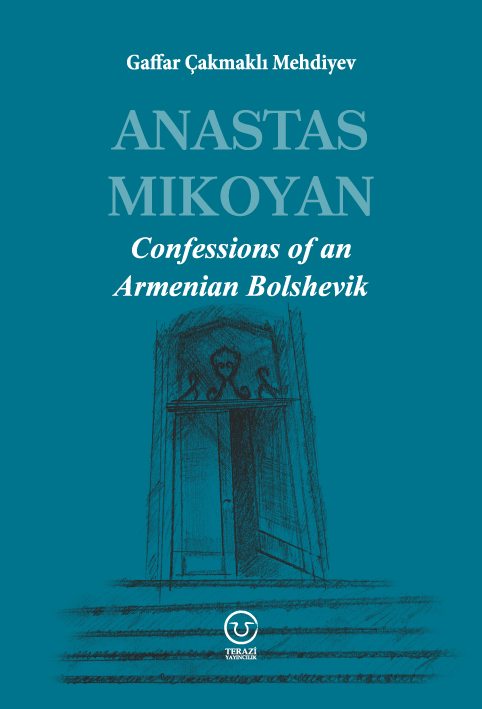
Anastas Mikoyan: Confessions of an Armenian Bolshevik -
08.04.2020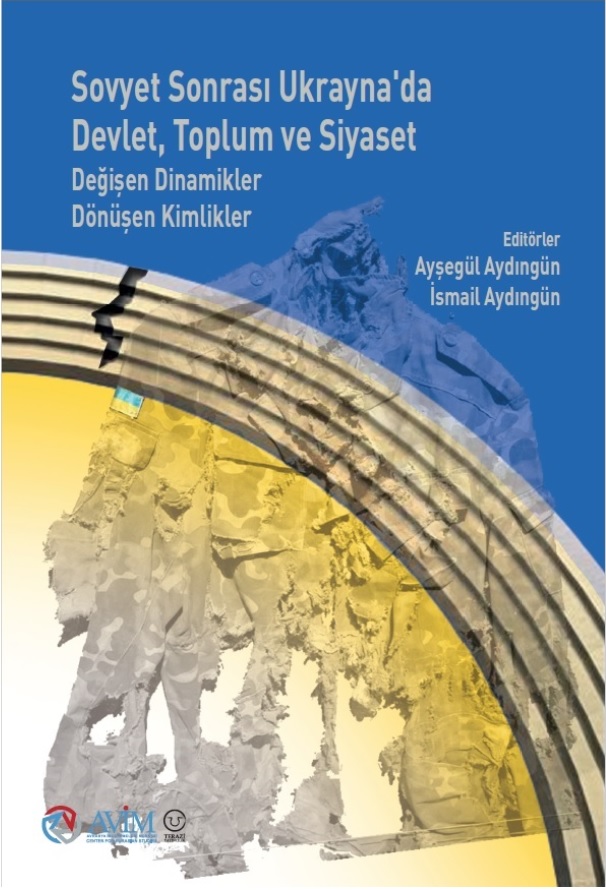
Sovyet Sonrası Ukrayna’da Devlet, Toplum ve Siyaset - Değişen Dinamikler, Dönüşen Kimlikler -
12.06.2018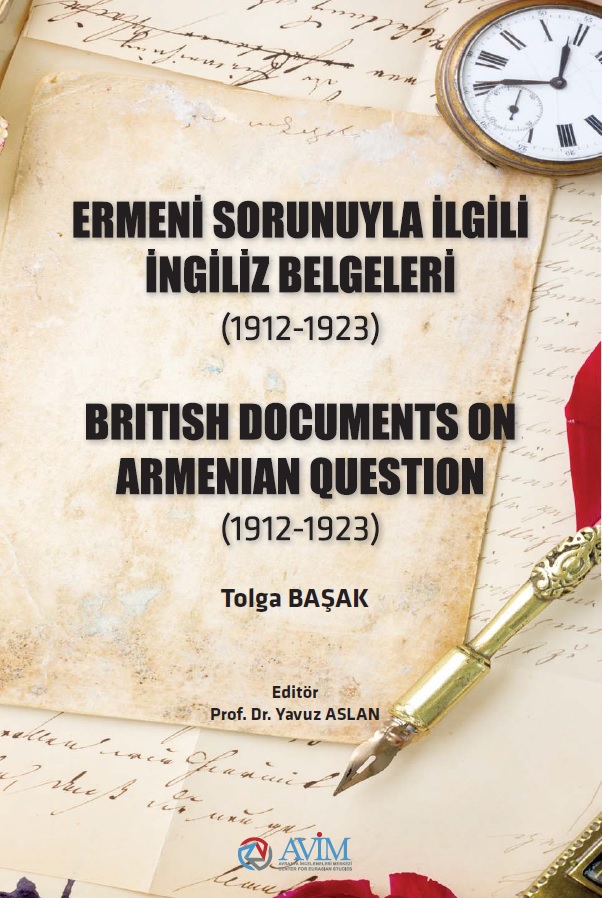
Ermeni Sorunuyla İlgili İngiliz Belgeleri (1912-1923) - British Documents on Armenian Question (1912-1923) -
02.12.2016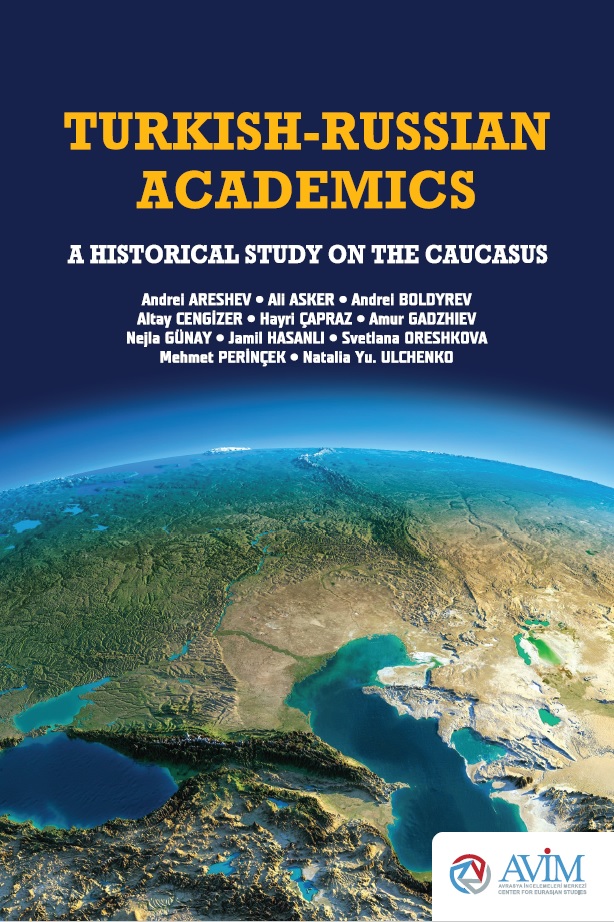
Turkish-Russian Academics: A Historical Study on the Caucasus -
01.07.2016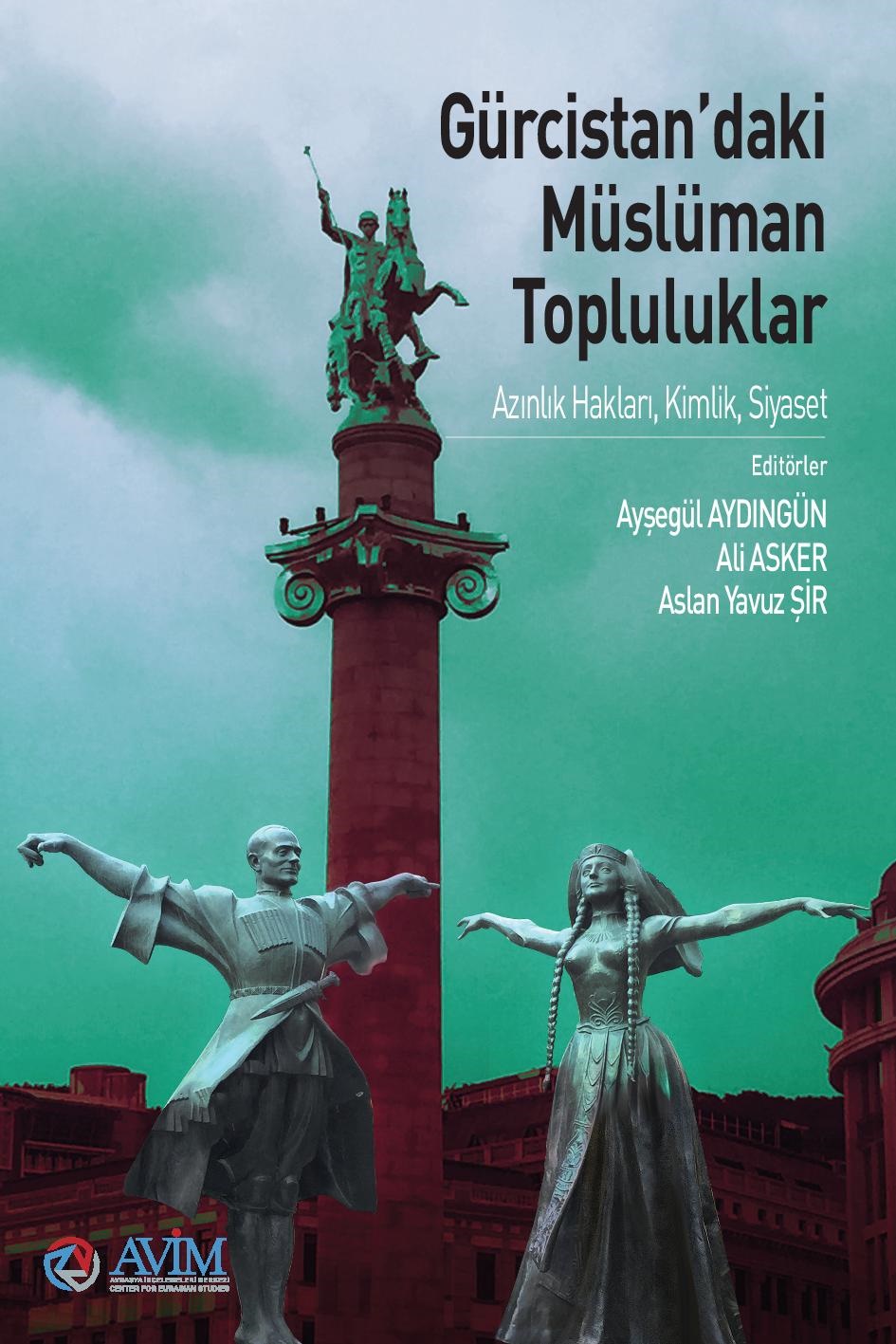
Gürcistan'daki Müslüman Topluluklar: Azınlık Hakları, Kimlik, Siyaset -
10.03.2016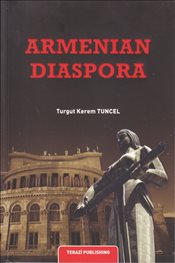
Armenian Diaspora: Diaspora, State and the Imagination of the Republic of Armenia -
24.01.2016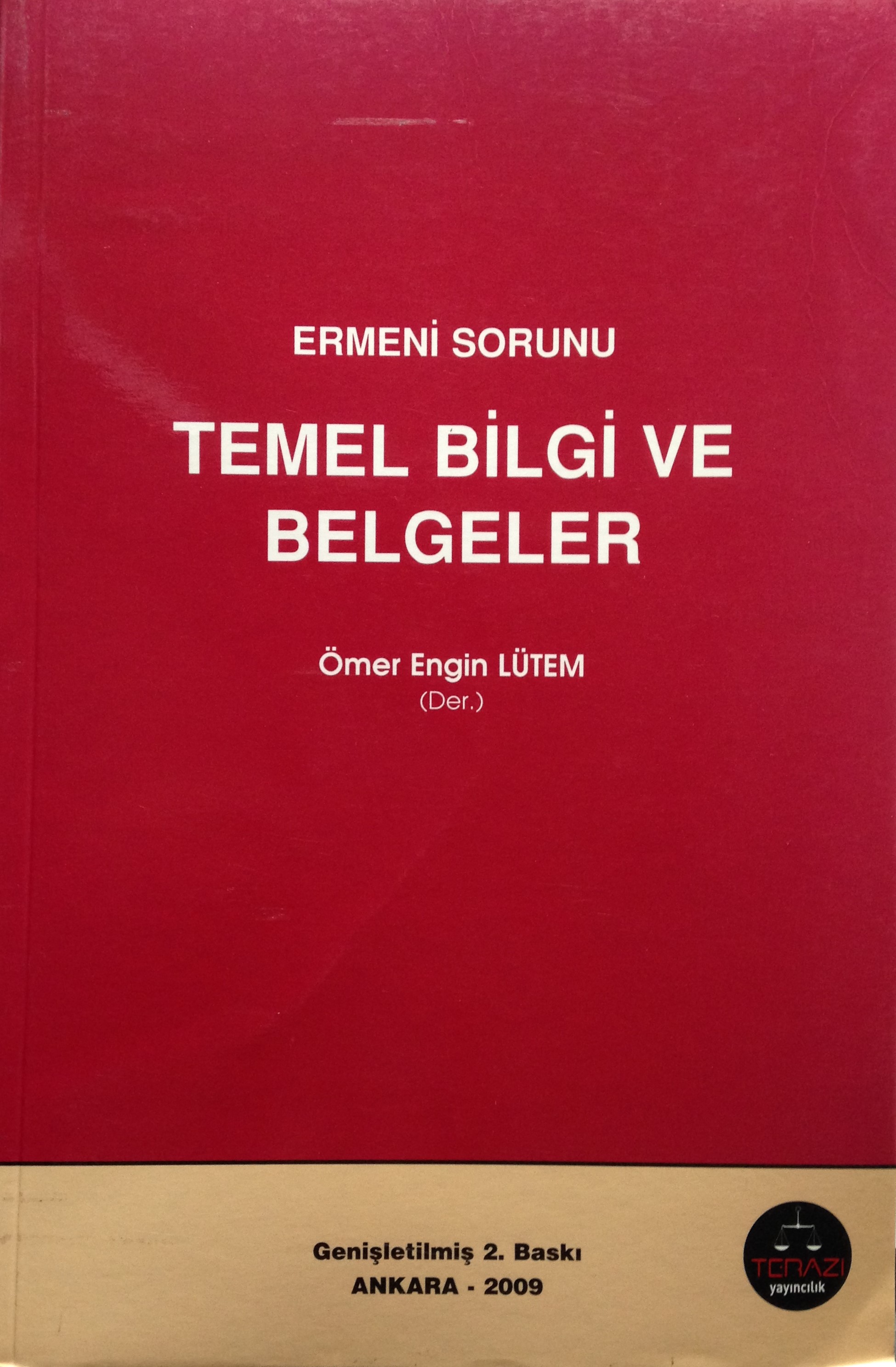
ERMENİ SORUNU - TEMEL BİLGİ VE BELGELER (2. BASKI)
-
AVİM Conference Hall 24.01.2023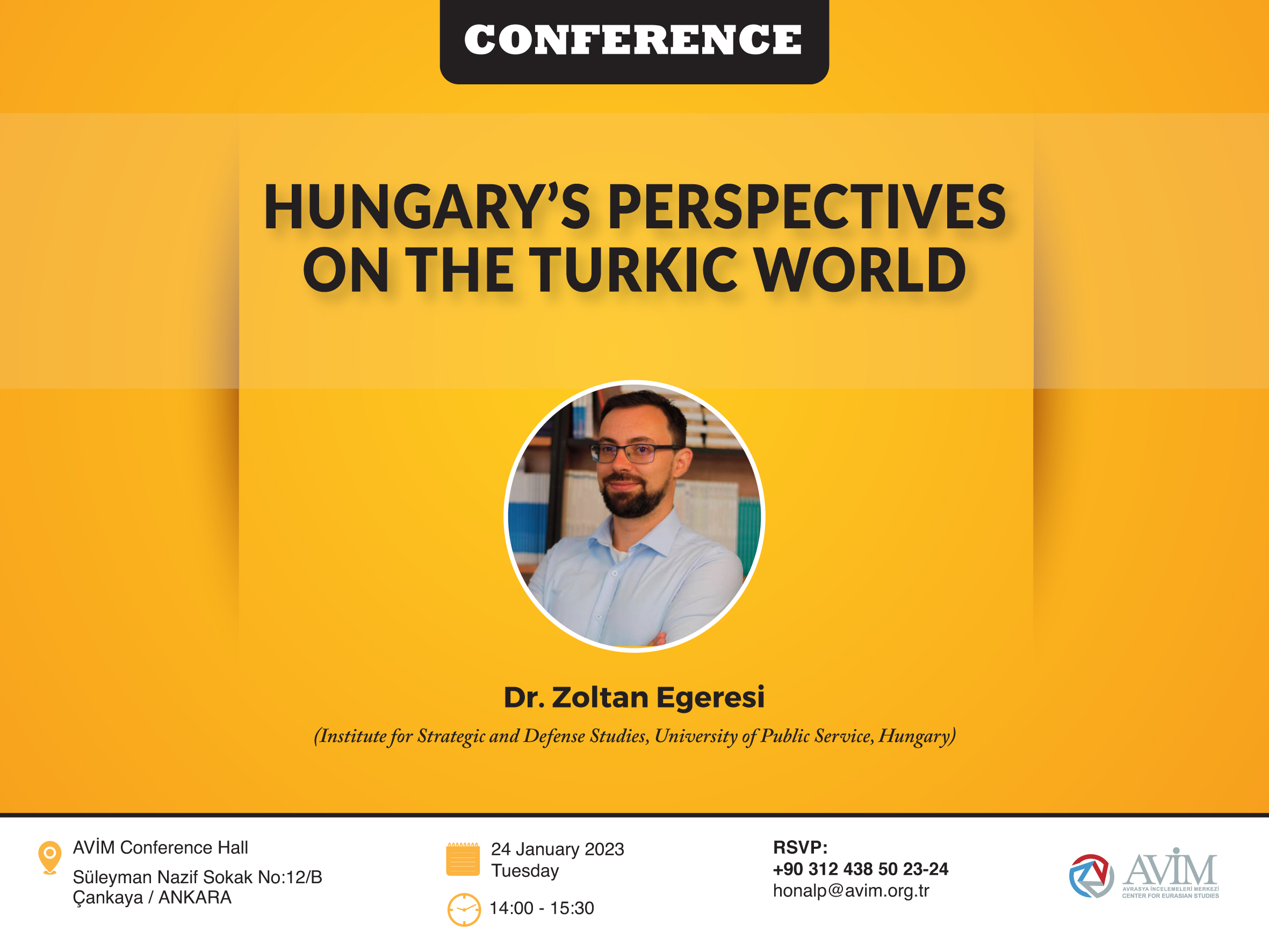
CONFERENCE TITLED “HUNGARY’S PERSPECTIVES ON THE TURKIC WORLD"