Download PDF :


Balkan Insight (18 January 2018)
Human Rights Watch, HRW, in a new report published on Thursday said that countries in the Balkans still face old human rights problems, such as attacks on journalists, discrimination against minorities, poor protection of refugees and lack of political will to prosecute war crimes.
“The past year showed the importance of pushing back against the threat posed by demagogues and their abusive policies,” HRW Executive Director Kenneth Roth said in the introduction.
The report said that political leaders willing to fight for human rights principles showed that they could limit authoritarian populist agendas.
World Report 2018 summarizes key human rights issues in more than 90 countries and territories worldwide.
Bosnia
In its report, HRW said that there was little visible progress on human rights during 2017 in Bosnia. “Authorities failed yet again to end structural and political discrimination against Jews, Roma, and other minorities,” it said. The report noted only limited progress towards accountability for war crimes in Bosnia's courts.
The goal, to finish the most complex cases in the War Crimes Chamber of the State Court by the end of 2015, has not been reached.
It added that LGBT people face hate speech and threats. It underlined also that more than 98,000 people remain displaced from their original homes, despite the fact that the 1992-5 conflict ended more than 20 years ago.
Croatia
HRW pointed out that during last, Croatia forced back asylum seekers and migrants who entered the country from Serbia without examining their asylum claims.
The report recalled that in July, the CJEU ruled that Croatia breached EU law by allowing asylum seekers and migrants to cross into Slovenia and Austria without first examining their asylum claims.
“Asylum seekers and refugees continued to face social isolation and difficulties in accessing language classes, education, and employment,” the report said and added that unaccompanied migrant and asylum children continued to be placed in residential institutions for children without adequate arrangements for their protection and care.
“Out of 30 registered unaccompanied children, only one had been enrolled in school for the academic year of 2017/2018,” it said.
HRW noted discrimination against people with disabilities and members of national minorities. It also added that the Croatian judiciary continued to make only slow progress on war crimes accountability.
Kosovo
HRW said slow progress on human rights in Kosovo was accentuated by a political deadlock following early general elections in June, with a government only formed in September.
It noted that the new special court established to try serious war crimes committed during the 1998-1999 Kosovo war was now operational and expected to file its first indictments.
The report added that tensions between the country's ethnic Serbiuan minority and majority Kosovo Albanians continued, particularly in the north.
It also noted that Roma, Ashkali, and Egyptian communities continue to face discrimination and that the process of normalizing Kosovo's relations with Belgrade had made limited progress.
Serbia
HRW noted limited progress in closing the gap between Serbia’s human rights obligations and its practice.
The report said that reception conditions for asylum seekers remained poor and the asylum system was flawed, despite the numbers of persons seeking protection falling.
The report added that progress on war crimes prosecutions also remained slow.
"War crimes prosecutions were hampered due to lack of political support, insufficient staff, and other resources at the Office of the War Crimes Prosecutor, and weak witness support mechanisms," the report read.
It noted that few high ranking officials implicated in serious wartime abuses had been held to account in Serbian courts.
http://www.balkaninsight.com/en/article/balkan-countries-still-facing-old-human-rights-issues-01-18-2018

















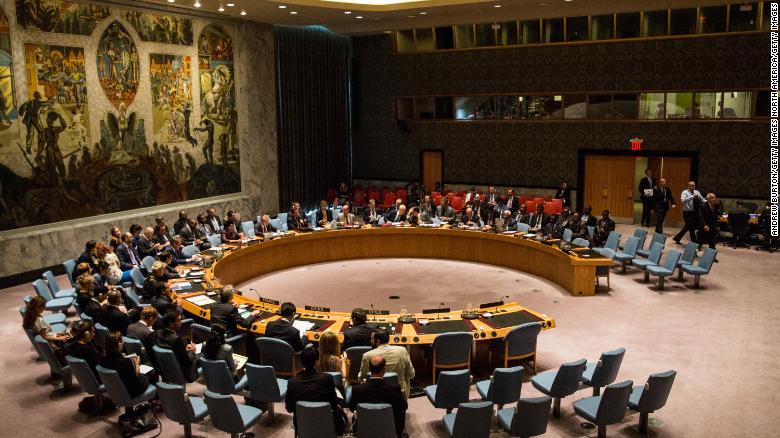 RUSSIA, US SPAR ON IRAN, NORTH KOREA, SYRIA
Asia - Pacific
19.01.2018
RUSSIA, US SPAR ON IRAN, NORTH KOREA, SYRIA
Asia - Pacific
19.01.2018
 SERBIA ON COURSE FOR EU BY 2025, TOP EU OFFICIAL SAYS
The Balkans
19.01.2018
SERBIA ON COURSE FOR EU BY 2025, TOP EU OFFICIAL SAYS
The Balkans
19.01.2018