
















Reuters (19 January 2018)
The European Union is launching a diplomatic effort to accelerate steps to bring six countries in the Western Balkans into the EU fold after years of stop-start progress.
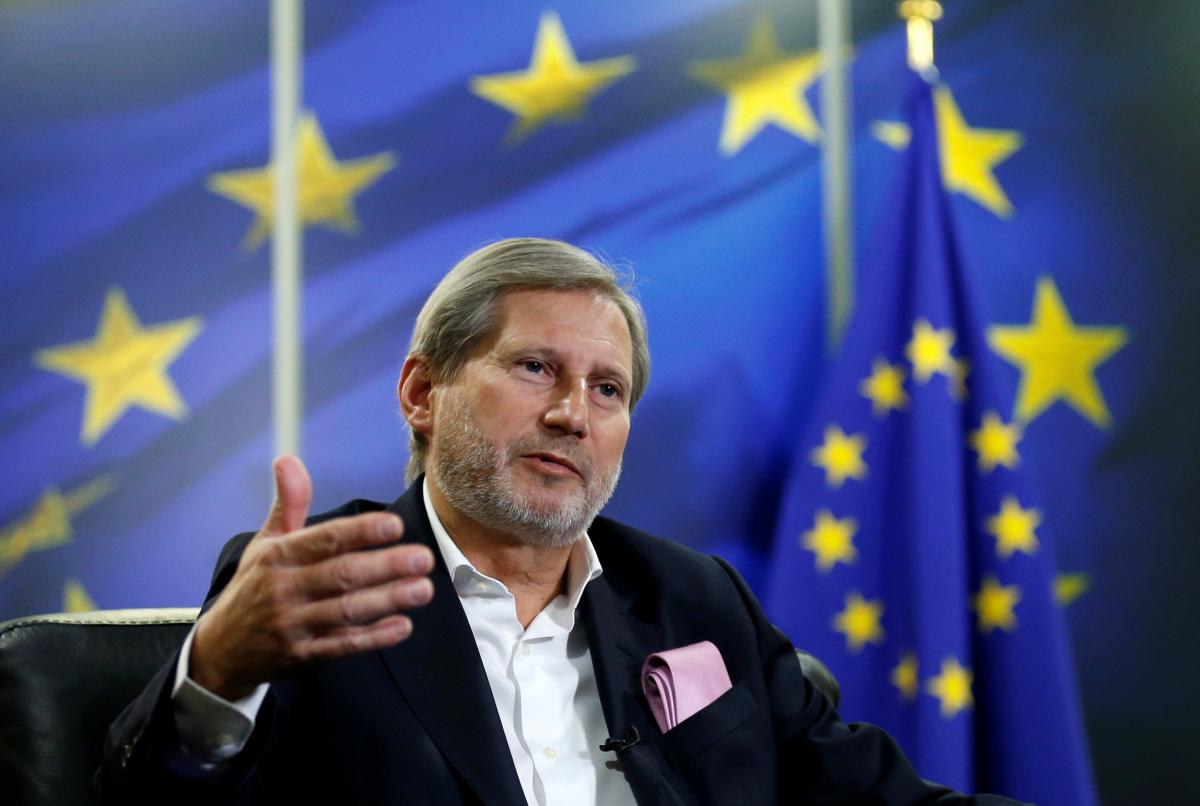
“It is time to finish the work of 1989,” European Commissioner Johannes Hahn told Reuters, referring to the EU’s eastward expansion after the fall of the Berlin Wall.
“We have set 2025 as an indicative date for Serbia and Montenegro, which is realistic but also very ambitious.”
Albania, Bosnia, Kosovo, Macedonia, Montenegro and Serbia all hope to join the European Union but have seen their membership chances fade in recent years as the bloc’s politicians, faced with rising eurosceptism at home, the 2009-2013 eurozone crisis and Britain’s vote to leave the bloc, appeared to lose interest.
But rising Russian influence, a migration crisis that straddles the region, Turkey’s drift towards authoritarian rule and a desire to strengthen European integration after Britain leaves in 2019 have presented the Balkans with an opportunity.
“Either we export stability to the region or we import instability,” Hahn said, arguing that the EU’s accession process was the best way to fight corruption, organised crime and the threat of authoritarianism in the region.
Serbia is seen as the lynchpin and the EU hopes Belgrade’s influence in the Balkans could help others reform.
Hahn is set to visit Serbia in February after publishing the Commission’s official Balkan strategy on Feb. 6, followed by Commission President Jean-Claude Juncker, who is expected to visit all six countries in a gesture of support.
Hahn will also travel to Washington next month to meet U.S. State Department officials to outline the EU’s Balkan push. With neighbouring Bulgaria holding the EU’s rotating presidency from January to June, European Union leaders will hold a special Balkan summit in Sofia in May. Britain is also set to host another top-level Balkan gathering in July.
“WAKE-UP CALL”
In another sign of momentum, Macedonia could be offered an invitation to join the U.S.-led NATO military alliance if it can resolve a dispute with Greece over the former Yugoslav republic’s name, NATO diplomats say.
Hahn said he was confident the issue could eventually be resolved following United Nations talks this month. NATO Secretary-General Jens Stoltenberg, in a visit to Macedonia on Wednesday, also said he saw hope for resolving the name issue.
Obstacles to meeting EU membership terms abound, however.
The six Balkan countries’ banking systems and judiciaries are weak, and incomes in the region are 30 percent of those in the euro zone, according to the International Monetary Fund.
The region is scarred by the ethnic conflicts that followed the breakup of Yugoslavia in the 1990s.
Bosnia remains deeply divided. Serbia does not recognise the independence of Kosovo, its former province, and accuses it of seeking war with Belgrade. Montenegro was mired in political crisis for much of 2017.
The EU’s strategy rests on Serbia and Kosovo reaching a “normalisation of relations” by the end of 2019, according to a draft version of the bloc’s Balkan plan seen by Reuters.
Hahn conceded that the killing of Kosovo Serb leader Oliver Ivanovic on Tuesday showed the instability of the region.
“I hope this is a wake-up call to responsible politicians. I ask for statesmanship to understand that only cooperation, reconciliation is the only way forward,” he said.
https://af.reuters.com/article/worldNews/idAFKBN1F80VC
No comments yet.
- BP RETURNS TO NORTHERN IRAQ’S RECAPTURED OIL FIELDS Iraq 19.01.2018
- AUSTRIAN FAR-RIGHT ORDERS ‘BORDER PROTECTION UNIT’ Europe - EU 19.01.2018
- IRAQ OIL MINISTER TO VISIT TURKEY 'SOON' Iraq 19.01.2018
- EMMANUEL MACRON'S EU VISION MEETS THERESA MAY'S SEARCH FOR THE EXIT Europe - EU 19.01.2018
- POOR PROGRESS FOR HUMAN RIGHTS IN THE BALKANS, HRW REPORT The Balkans 19.01.2018
-
25.01.2016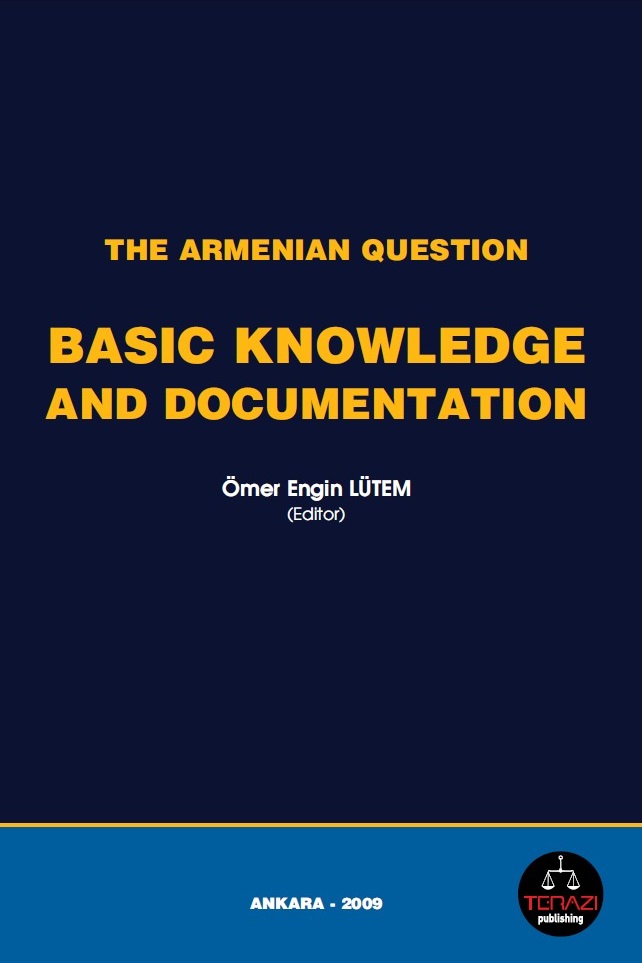
THE ARMENIAN QUESTION - BASIC KNOWLEDGE AND DOCUMENTATION -
12.06.2024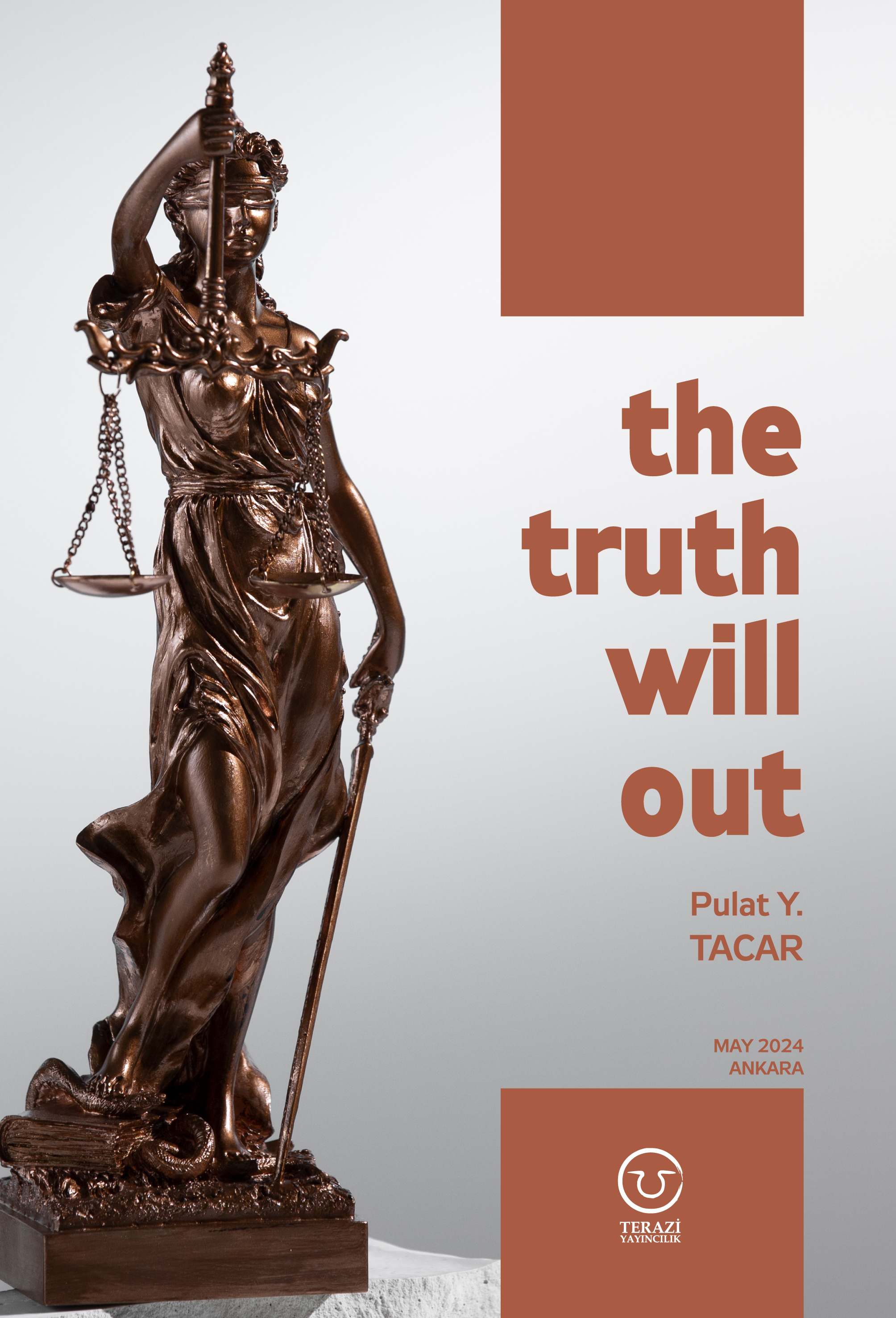
THE TRUTH WILL OUT -
27.03.2023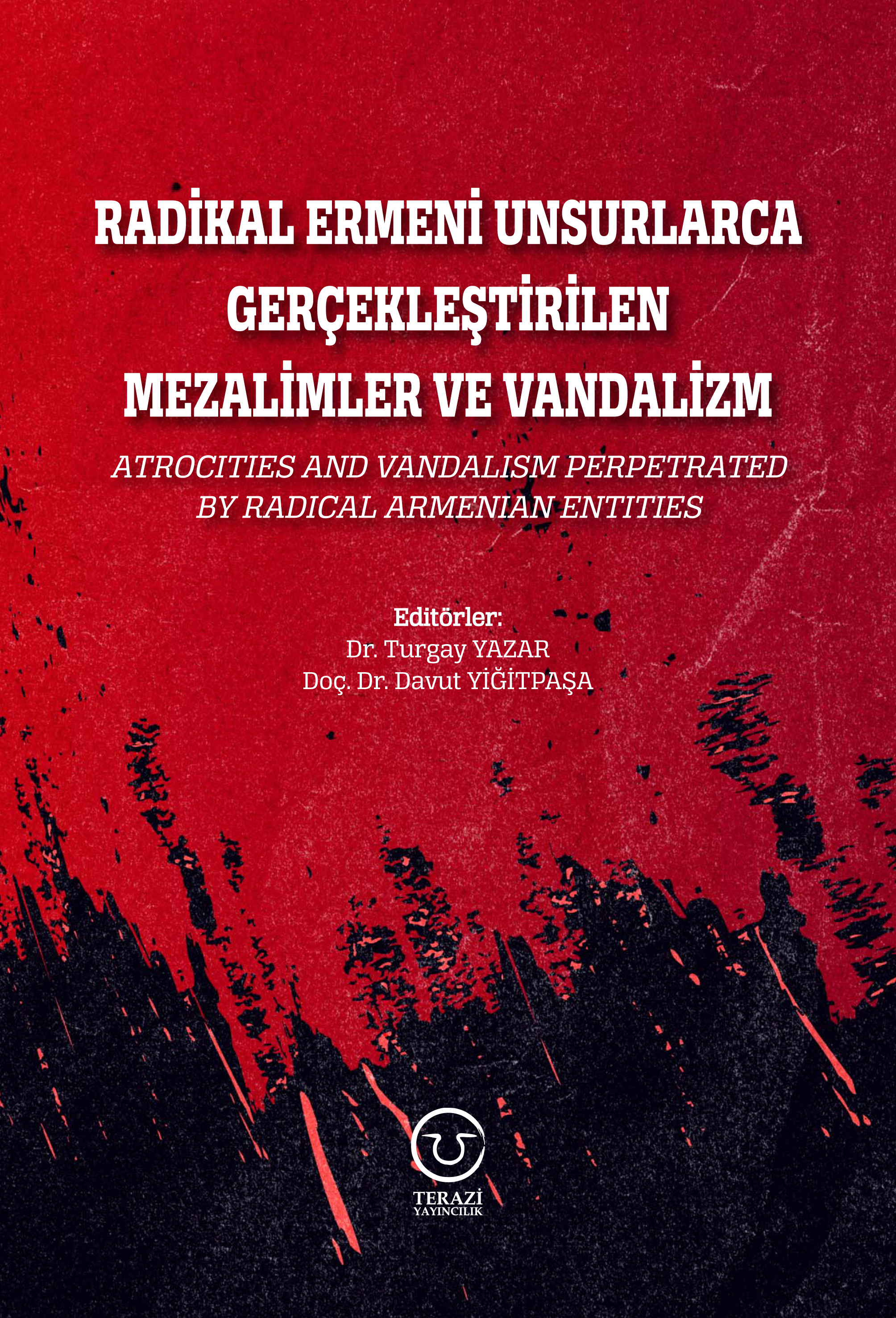
RADİKAL ERMENİ UNSURLARCA GERÇEKLEŞTİRİLEN MEZALİMLER VE VANDALİZM -
17.03.2023
PATRIOTISM PERVERTED -
23.02.2023
MEN ARE LIKE THAT -
03.02.2023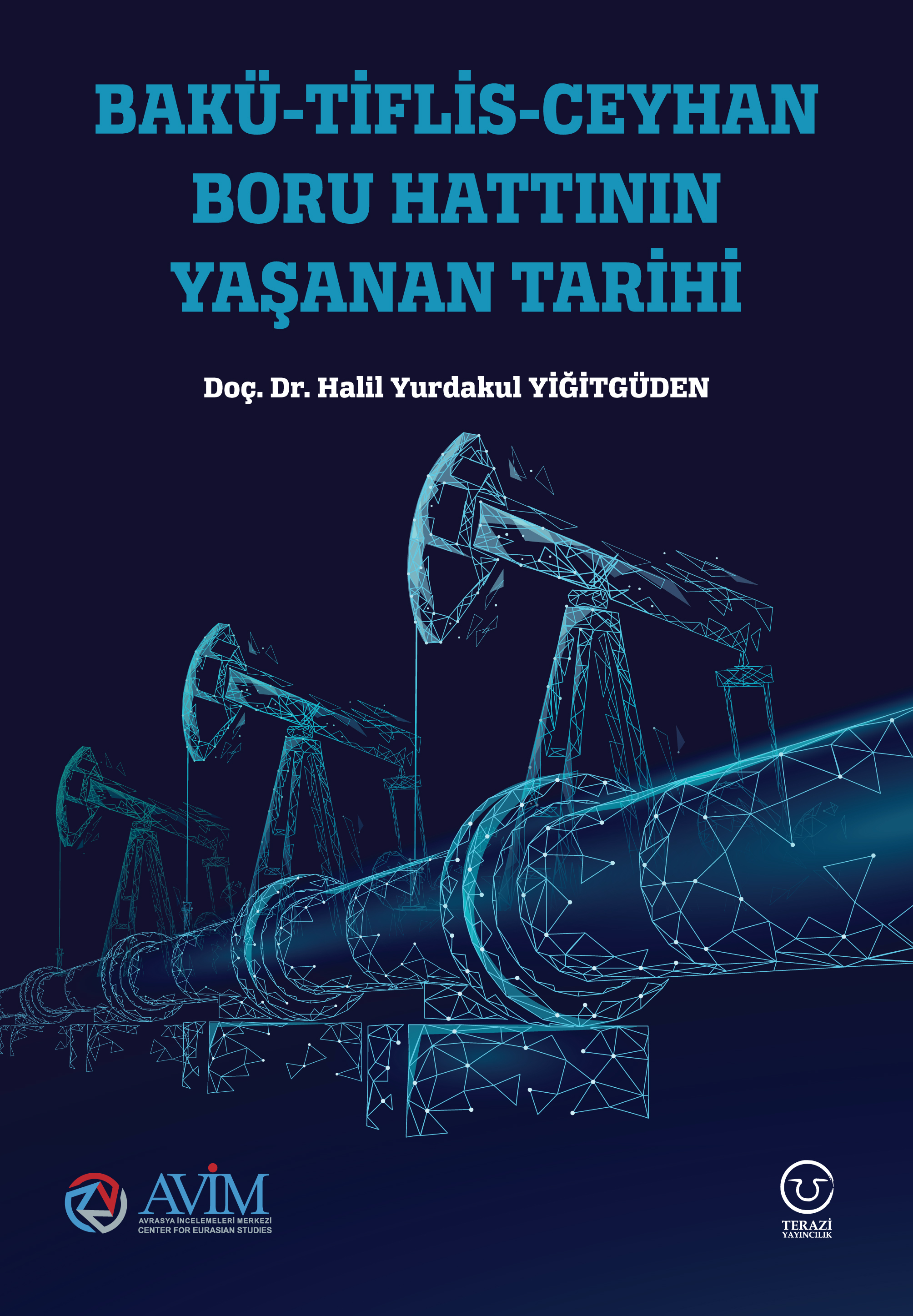
BAKÜ-TİFLİS-CEYHAN BORU HATTININ YAŞANAN TARİHİ -
16.12.2022
INTERNATIONAL SCHOLARS ON THE EVENTS OF 1915 -
07.12.2022
FAKE PHOTOS AND THE ARMENIAN PROPAGANDA -
07.12.2022
ERMENİ PROPAGANDASI VE SAHTE RESİMLER -
01.01.2022
A Letter From Japan - Strategically Mum: The Silence of the Armenians -
01.01.2022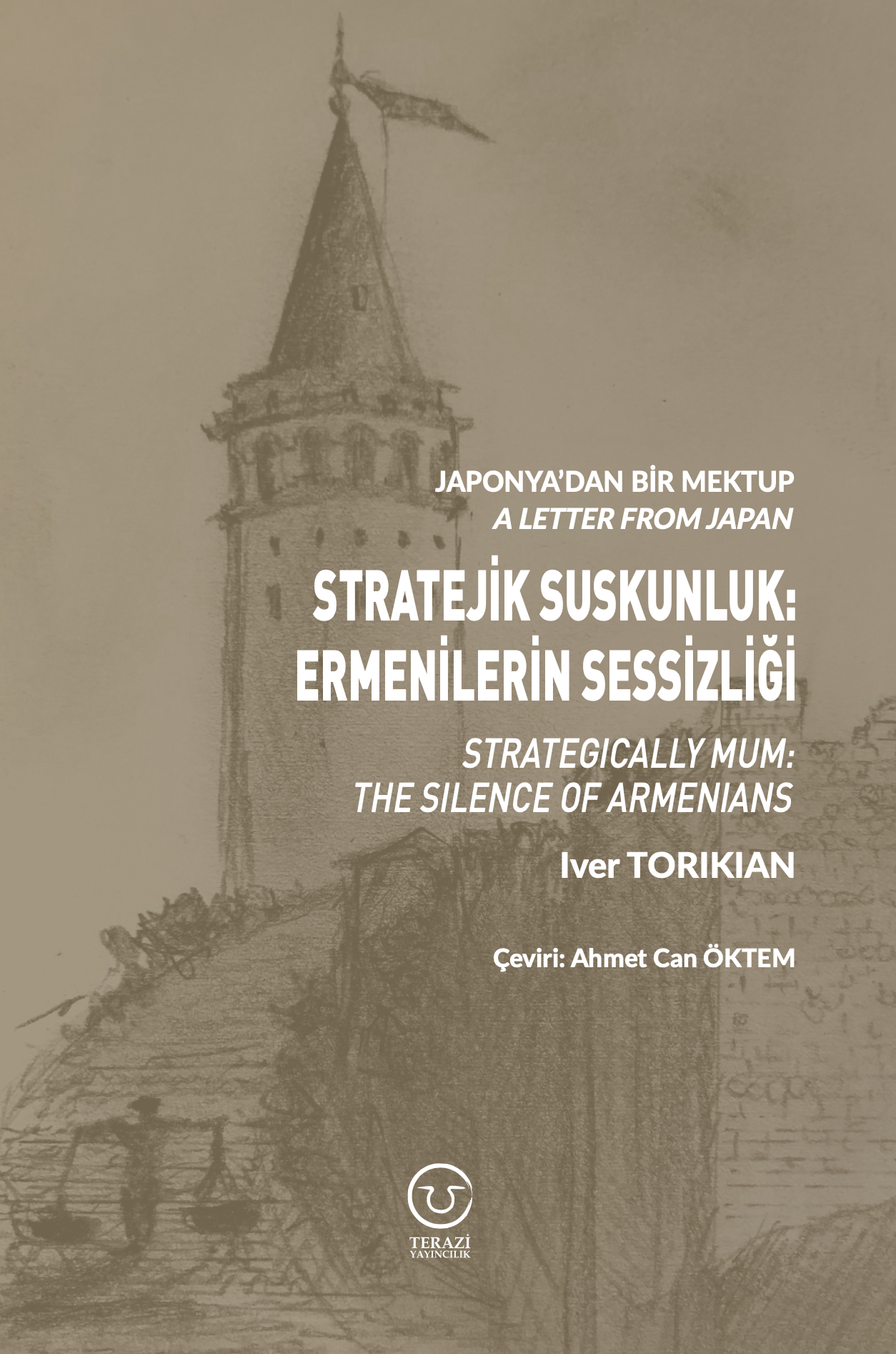
Japonya'dan Bir Mektup - Stratejik Suskunluk: Ermenilerin Sessizliği -
03.06.2020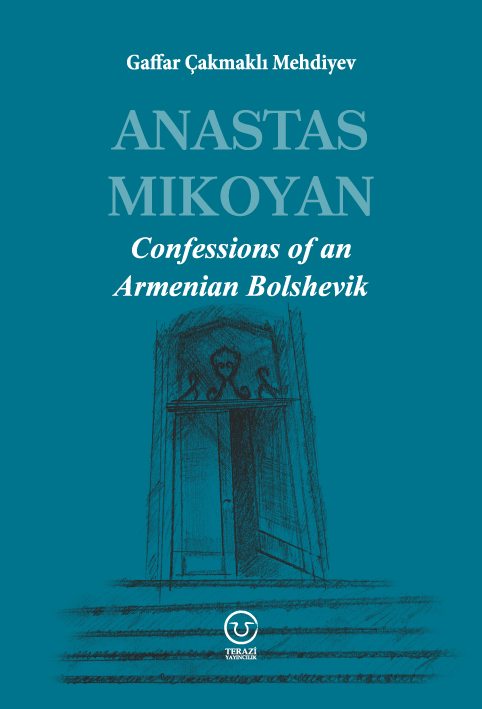
Anastas Mikoyan: Confessions of an Armenian Bolshevik -
08.04.2020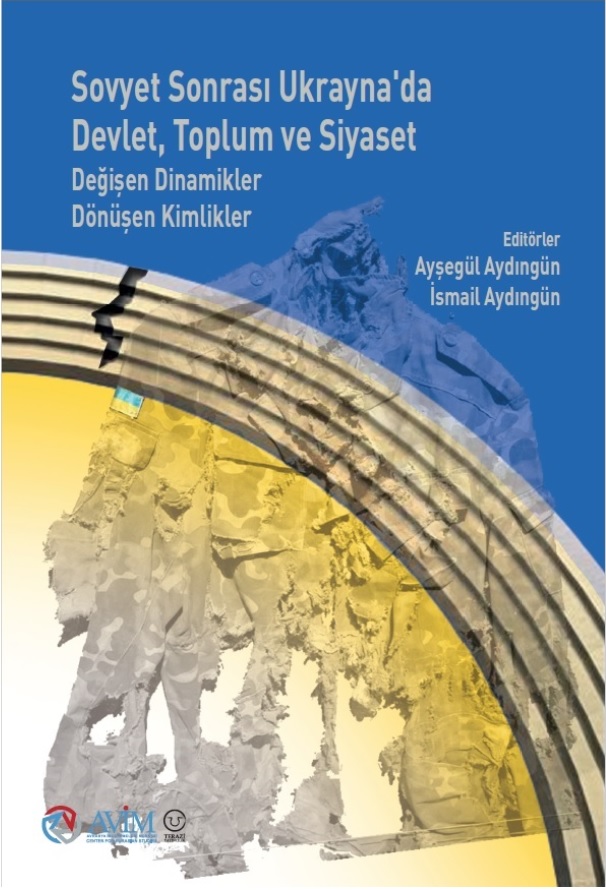
Sovyet Sonrası Ukrayna’da Devlet, Toplum ve Siyaset - Değişen Dinamikler, Dönüşen Kimlikler -
12.06.2018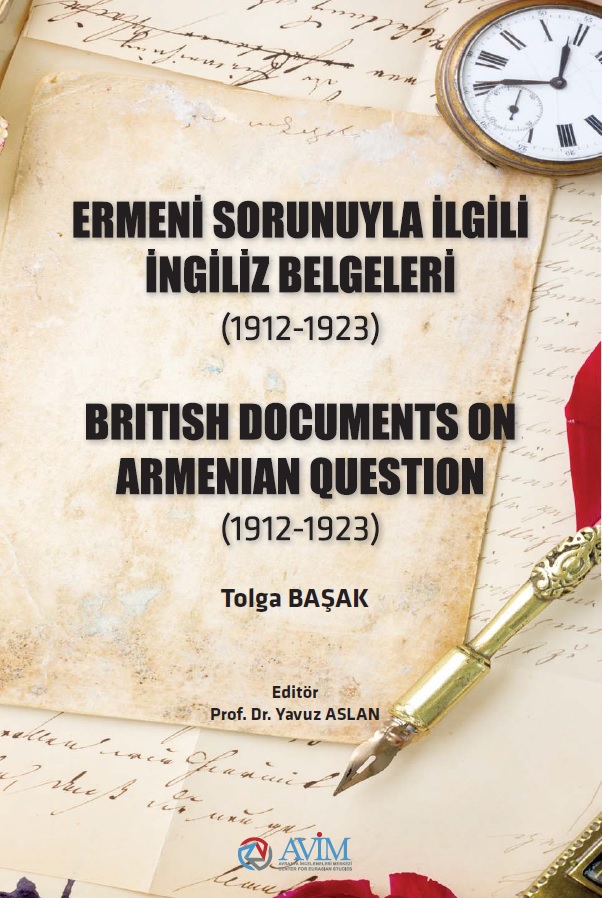
Ermeni Sorunuyla İlgili İngiliz Belgeleri (1912-1923) - British Documents on Armenian Question (1912-1923) -
02.12.2016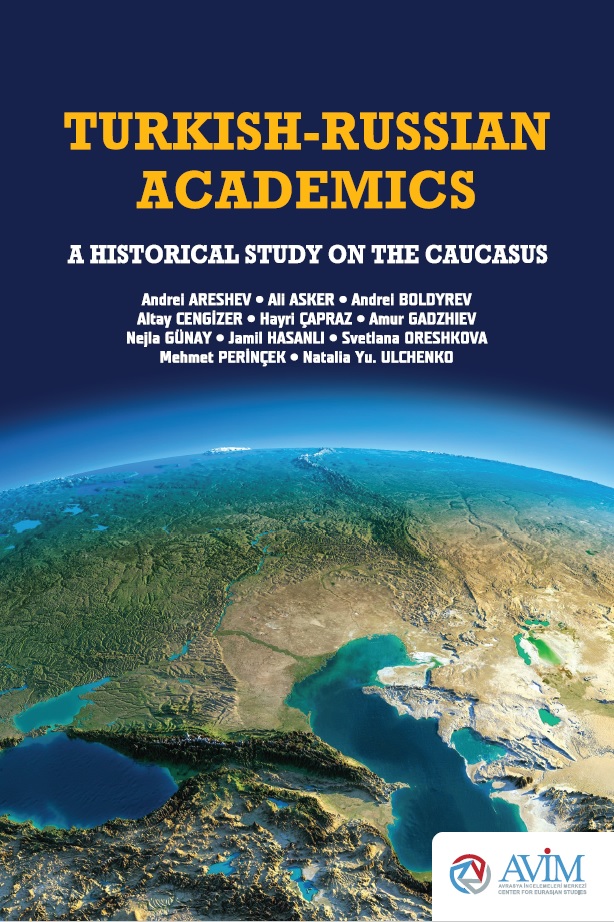
Turkish-Russian Academics: A Historical Study on the Caucasus -
01.07.2016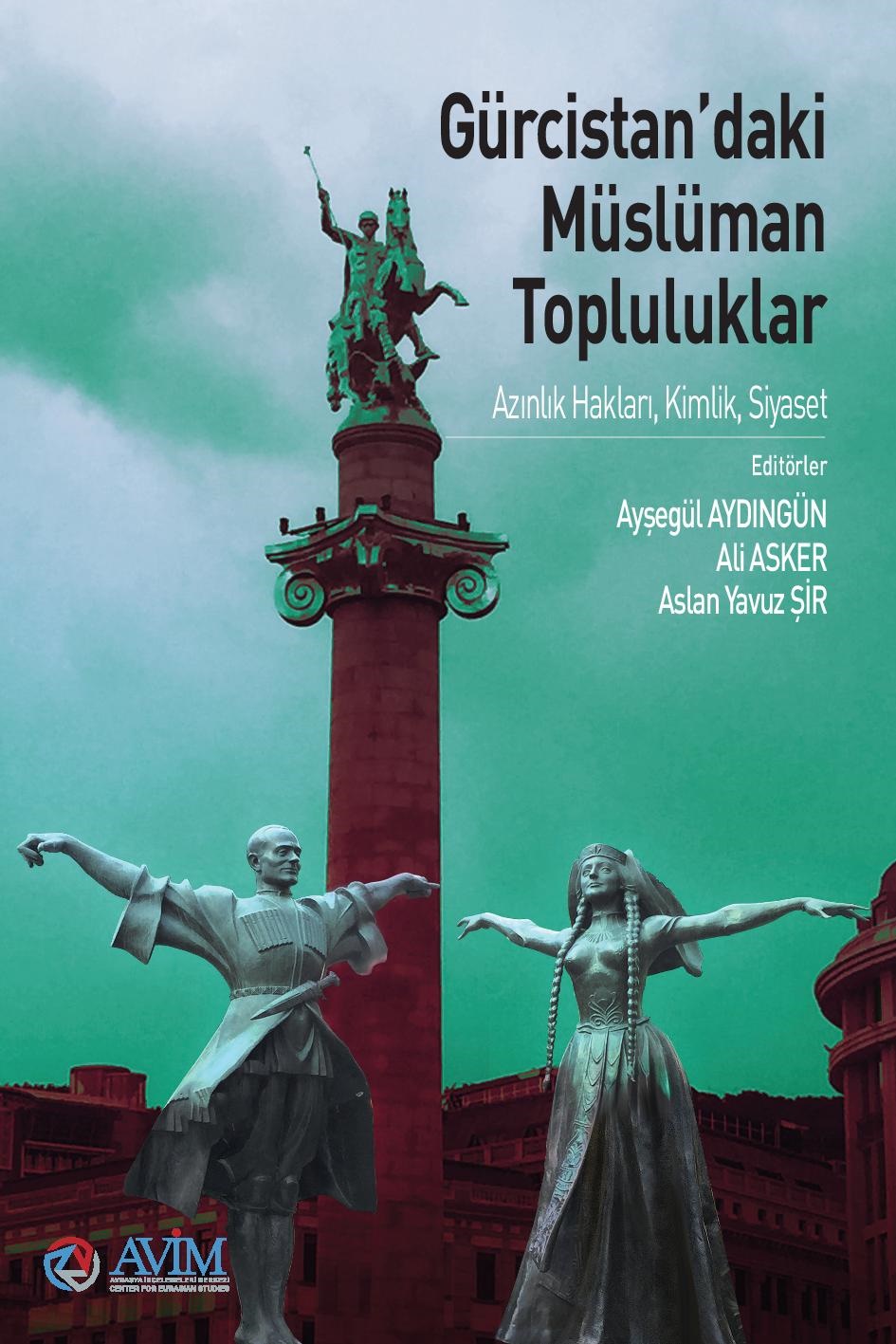
Gürcistan'daki Müslüman Topluluklar: Azınlık Hakları, Kimlik, Siyaset -
10.03.2016
Armenian Diaspora: Diaspora, State and the Imagination of the Republic of Armenia -
24.01.2016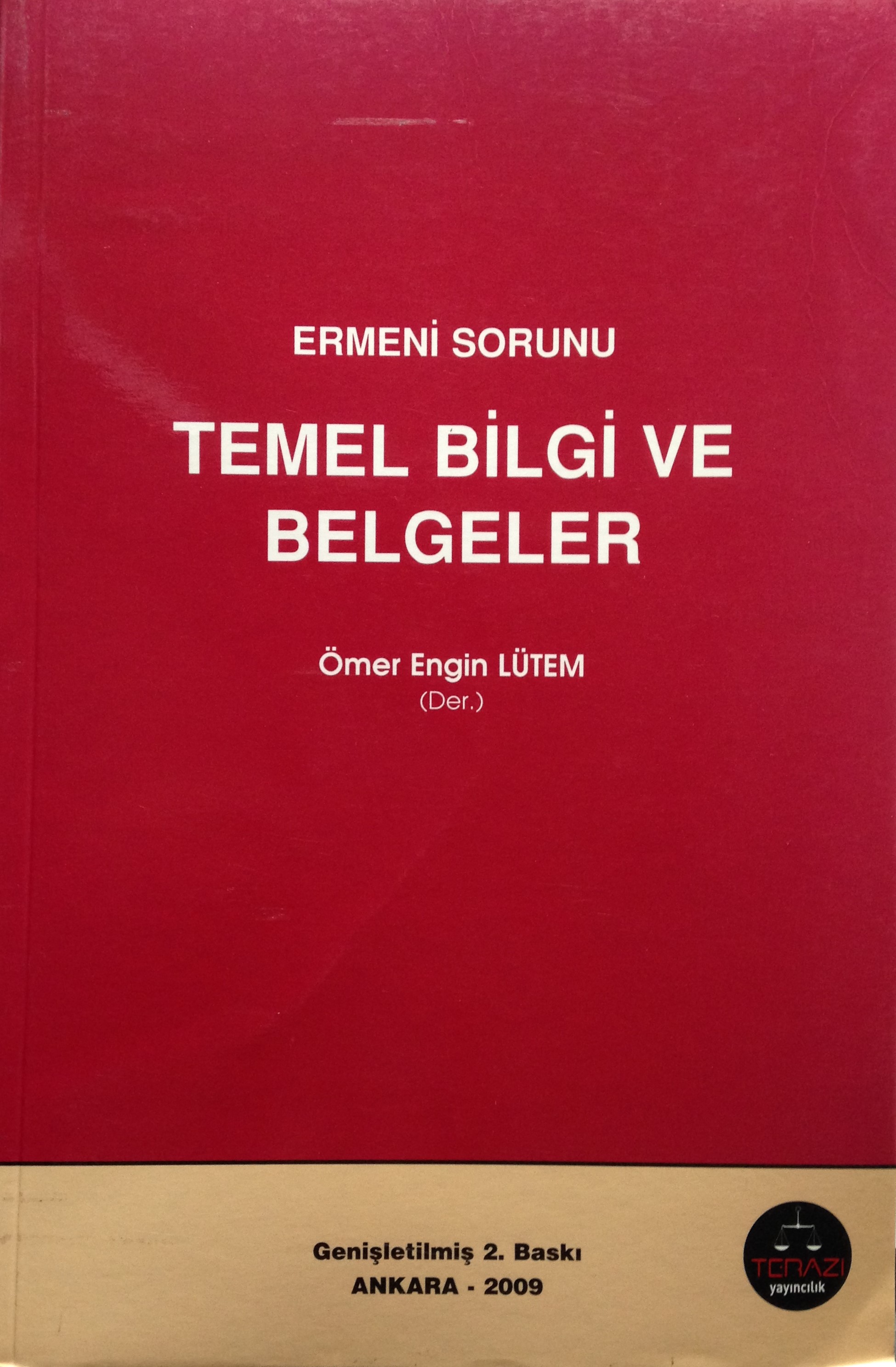
ERMENİ SORUNU - TEMEL BİLGİ VE BELGELER (2. BASKI)
-
AVİM Conference Hall 24.01.2023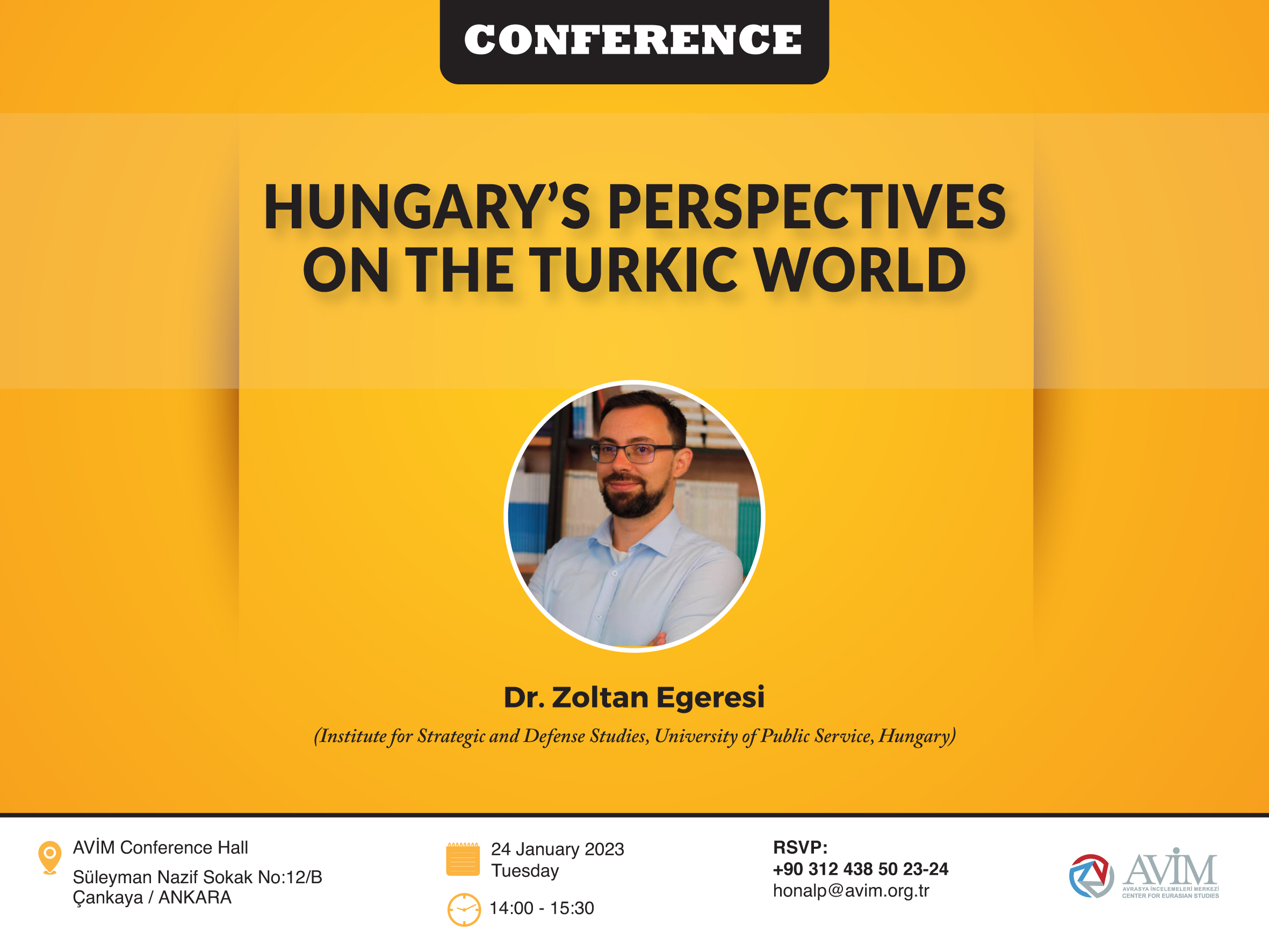
CONFERENCE TITLED “HUNGARY’S PERSPECTIVES ON THE TURKIC WORLD"